Ebola is a serious and often deadly virus. It spreads through direct contact with blood, body fluids, or surfaces touched by a sick person, and also from infected animals.
Most outbreaks in Africa have happened in Central and West Africa, including countries like DRC, Guinea, Uganda, Sierra Leone, and Liberia.
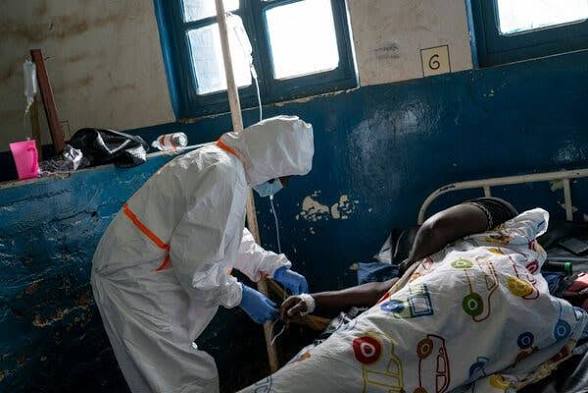
Does it affect women and children? Yes. Women are usually the main caregivers at home and many work as nurses and health workers. This puts them in close contact with sick people, so their risk is higher. Children can get infected at home. If parents die or are sick, children may lose care, drop out of school, go hungry, and become vulnerable. Pregnant women are also at very high risk.
What support is needed from other nations and the world? 1. Medical help: Funding for hospitals, medicines, protective gear, vaccines, and tests. 2. Early action: Support for quick detection, contact tracing, and for organizations like WHO and Africa CDC. 3. Community support: Education in local languages, safe burials, clean water, and mental health support for families and health workers. 4. Protect women and children: Keep girls in school, provide food and care for orphans, and keep maternal health services running. 5. Long-term: Fund research and build stronger health systems for future outbreaks.
Ebola affects everyone, but women and children feel it most. The world can help with funding, medicine, training, and support for communities.


0 Comments