Zero Hunger in Africa: A Collective Responsibility
October 16, 2025
Zero Hunger in Africa: A Collective Responsibility
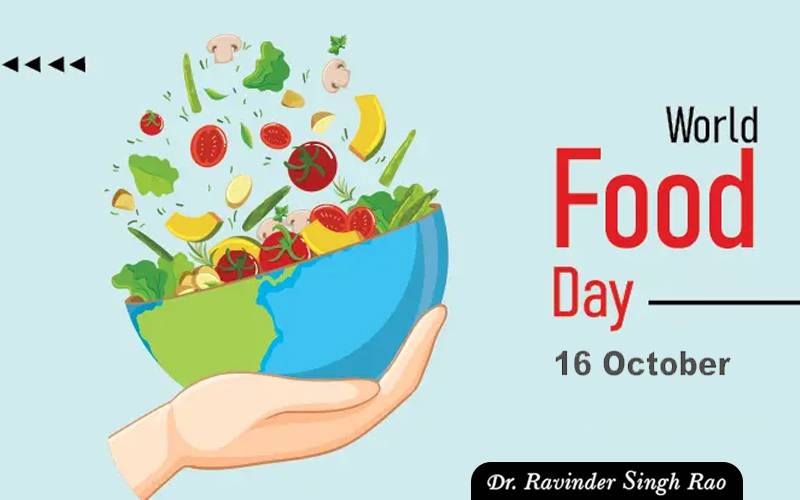
As we mark World Food Day today, October 16, the African continent is reminded of the pressing issue of hunger and malnutrition that affects millions of people. According to the World Hunger Statistics, one in nine people globally suffer from hunger, with the majority residing in developing countries.
The State of Hunger in Africa
Africa is home to some of the world's most food-insecure countries. The situation is exacerbated by factors such as climate change, poverty, and conflict. The consequences of hunger are dire, with 45% of deaths in children under the age of five attributed to poor nutrition.
Solutions to End Hunger in Africa
To address hunger in Africa, we need a multi-faceted approach that includes:
- Sustainable food production: Supporting smallholder farmers, especially women, to improve agricultural productivity and sustainability.
- Access to credit and resources: Providing farmers with access to credit, seeds, fertilizers, and other essential resources to enhance their productivity.
- Education and awareness: Educating communities about nutrition, health, and sustainable agriculture practices.
- Reducing food waste: Minimizing food waste throughout the supply chain to ensure that the food produced is consumed.
Our Collective Responsibility
Ending hunger in Africa requires a collective effort from governments, civil society, private sector, and individuals. We can all play a role by:
- Donating to food banks and hunger relief organizations
- Supporting local farmers and sustainable agriculture initiatives
- Raising awareness about hunger and malnutrition
- Advocating for policies that support food security and sustainable agriculture
As we mark World Food Day, let us renew our commitment to ending hunger and malnutrition in Africa. Together, we can create a future where everyone has access to nutritious food and a healthy life.


0 Comments