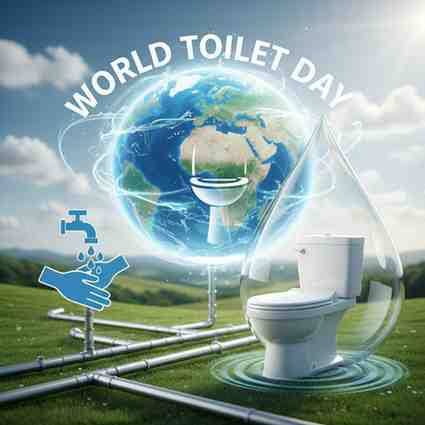
Every year on 19 November the United Nations marks World Toilet Day, an official international observance that shines a spotlight on the global sanitation crisis and rallies action to achieve Sustainable Development Goal 6 – clean water and sanitation for all by 2030.
Quick Background - Origin: Initiated by the World Toilet Organization (Singapore) in 2001, later adopted by the UN in 2013 (Resolution A/67/L.75). - Convener: UN‑Water coordinates the day, selects an annual theme and manages the official website.
Why It Matters - 3.5 billion people still lack safely managed sanitation; 419 million practice open defecation . - Poor sanitation fuels deadly diseases (cholera, diarrhea, typhoid) and costs the global economy billions. - Women and girls face heightened safety risks and loss of dignity when toilets are absent.
Recent Themes - 2024: _“Sanitation for Peace”_ – emphasizing toilets as a place for protection and social stability. - 2025: _“Sanitation in a changing world”_ – linking climate resilience and sanitation ¹.
Africa‑Specific Snapshot In Nigeria, for example, over 46 million people still practice open defecation, costing the nation billions of naira in health expenses and lost productivity ³. Angola’s “Community‑Led Total Sanitation” program, supported by UNICEF, shows how local empowerment can end open defecation in rural areas .
How to Get Involved - Raise awareness: Share facts, stories, and the official hashtags (#WorldToiletDay, #SanitationForAll, #CleanWater). - Support projects: Donate to NGOs or local initiatives providing toilets and WASH services. - Advocate: Push governments to prioritize sanitation infrastructure and climate‑resilient systems.
World Toilet Day reminds us that a simple, safe toilet is a cornerstone of health, dignity, and peace. Let’s all do our part to make sanitation a reality for everyone.


0 Comments