World Press Freedom Day: Navigating the Age of Artificial Intelligence (May 3rd)
May 03, 2025
World Press Freedom Day: Navigating the Age of Artificial Intelligence (May 3rd)
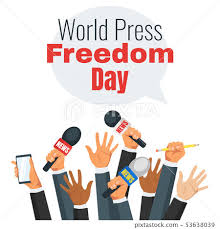
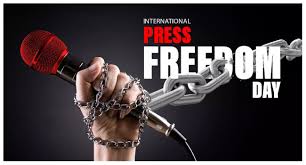
World Press Freedom Day, observed annually on May 3rd, commemorates the anniversary of the Windhoek Declaration (1993) and the UN General Assembly's proclamation of the day. This year marks the 30th anniversary of this crucial recognition of the fundamental link between freedom of information (seeking, imparting, and receiving) and the public good. Special commemorations are planned for the World Press Freedom Day International Conference.
May 3rd serves as a vital reminder to governments of their commitment to press freedom, prompting reflection among media professionals on issues of press freedom and professional ethics. The day provides an opportunity to:
Celebrate: The fundamental principles of press freedom.
Assess: The state of press freedom globally.
Defend: The media against attacks on its independence.
Honor: Journalists who have lost their lives in the line of duty.
The Impact of Artificial Intelligence (AI) on Press Freedom:
The rapid proliferation of AI is profoundly reshaping journalism, media, and press freedom. While the principles of free, independent, and pluralistic media remain paramount, AI's influence on information gathering, processing, and dissemination presents both opportunities and significant challenges.
AI's Potential Benefits:
Enhanced Access: AI can democratize access to information, facilitating global communication.
Improved Information Flow: AI can revolutionize how information is shared worldwide.
AI's Emerging Risks:
Disinformation: AI can be weaponized to spread false and misleading information, fueling online hate speech and enabling new forms of censorship.
Surveillance: AI-powered mass surveillance threatens journalists and citizens, chilling freedom of expression.
Information Control: Big tech platforms, using AI to filter content, act as powerful gatekeepers of information, potentially homogenizing media and marginalizing smaller outlets.
Economic Disruption: Generative AI tools often reuse journalistic content without fair compensation, undermining the financial stability of independent media.
AI and Democracy:
AI is increasingly involved in elections, supporting fact-checking and combating disinformation. It provides valuable tools for journalists and voters to foster informed democratic participation. However, the potential for AI-generated deepfakes to erode trust in democratic systems remains a critical concern.
Addressing the Challenges:
The UN Global Digital Compact emphasizes the need to address the challenges posed by technology while upholding privacy and freedom of expression. World Press Freedom Day 2025 focuses on AI's impact on press freedom, the free flow of information, media independence, and the achievement of SDG 16.10 (access to information and protection of fundamental freedoms). Collaboration among governments, media organizations, and civil society is crucial to navigate this complex landscape effectively.


0 Comments