World IP Day: Highlighting the Challenges Faced by African Women and Youth
April 26, 2025
World IP Day: Highlighting the Challenges Faced by African Women and Youth
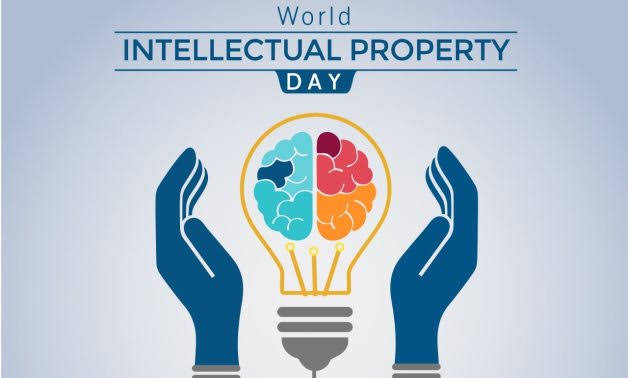
World Intellectual Property Day highlights the importance of protecting creative and innovative work. However, the benefits of intellectual property (IP) rights – patents, trademarks, copyrights, etc. – are not equally distributed globally. In Africa, women and youth face significant challenges in accessing and utilizing these rights, despite possessing considerable creative potential. While IP protection could empower them economically and socially, systemic barriers prevent many from realizing this potential.
While IP rights can empower creators and innovators, fostering economic returns and recognition, the following factors hinder their impact in Africa, disproportionately affecting women and youth:
Limited Access to Information and Resources: Understanding and applying for IP protection requires knowledge and resources. Many women and youth in Africa lack access to information about IP rights, the legal processes involved, and the practical steps to protect their creations. This can include a lack of awareness about what constitutes intellectual property, insufficient legal aid, and difficulties navigating bureaucratic systems.
Financial Constraints: The costs associated with securing and maintaining IP rights, including legal fees and administrative expenses, can be prohibitive for many individuals and small businesses, especially in developing economies. This barrier disproportionately affects women and youth who may face additional financial challenges.
Infrastructure Gaps: The infrastructure necessary for promoting IP awareness, supporting application procedures, and providing enforcement mechanisms might be inadequate in many African countries. This can lead to difficulties in protecting IP rights once they are established.
Cultural Context: African cultural practices and traditions often prioritize collective ownership over individual rights, which can sometimes clash with the individual-focused nature of IP laws. This requires a careful approach that acknowledges and integrates local customs.
Corruption and Weak Governance: Corruption and weak governance can hinder the effective protection and enforcement of IP rights, making it difficult for individuals and businesses to secure the expected returns.
Lack of Opportunities: Even if African creators have their IP rights recognized, they may still lack opportunities to commercialize their work or access markets. This includes issues with inadequate support systems, limited distribution channels, and biases in funding and business opportunities.
Specific impacts on women and youth:
Women in Africa often face additional obstacles in accessing resources and support systems for IP protection, and might face gender-based biases in the judicial system. Similarly, youth may encounter challenges in securing funding or mentorship necessary to develop their creative and innovative ideas.
In conclusion, while the principles of World Intellectual Property Day are universally applicable, their effective implementation in Africa, especially for women and youth, needs to address the specific context of limited resources, infrastructure, and cultural factors. Programs focused on raising awareness, providing accessible information, fostering financial support, and strengthening legal frameworks can significantly help overcome these hurdles and harness the potential of IP for the betterment of African communities.



0 Comments