World Elder Abuse Awareness Day: The Urgent Need for Action in Africa
June 15, 2025
World Elder Abuse Awareness Day: The Urgent Need for Action in Africa
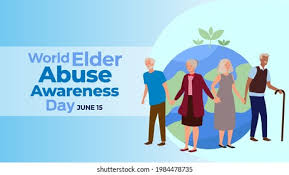
15 June 2025 Theme: Addressing Abuse of Older Adults in Long-Term Care Facilities: Through Data and Action
Africa, like the rest of the world, faces a rapidly aging population, presenting both opportunities and significant challenges. While the continent's demographic shift may not be as rapid as in some developed nations, the increasing number of older adults necessitates an urgent focus on combating elder abuse, particularly within long-term care facilities.
The Growing Crisis:
The World Health Organization (WHO) reports that nearly 64% of institutional staff admitted to abusive behavior in the previous year globally. While comprehensive data for Africa is lacking, this alarming statistic underscores the urgent need for systemic change across the continent. The lack of reliable, disaggregated data on elder abuse in Africa hinders effective policy development and intervention. Staff shortages, inadequate training, and weak regulatory frameworks all contribute to high-risk conditions for abuse and neglect within long-term care settings. The projected 38% growth in the number of people aged 60 and over globally between 2019 and 2030 will disproportionately impact developing nations like those in Africa, exacerbating existing challenges.
Cultural Context and Unique Challenges:
Addressing elder abuse in Africa requires a nuanced approach that considers diverse cultural contexts. Traditional practices, such as forced marriages of widows or accusations of witchcraft against isolated older women, can increase vulnerability. Furthermore, limited access to healthcare and social services in many African communities leaves older adults particularly exposed to neglect and abuse. Unless primary healthcare and social service sectors are adequately equipped to identify and address elder abuse, it will continue to be significantly underdiagnosed and underreported.
Ageism and its Impact:
Ageism, prevalent globally, acts as a powerful barrier to creating effective policies and programs for older adults in Africa. It perpetuates negative attitudes and stereotypes, impacting the well-being and access to care for older people. The WHO's Combatting Ageism Campaign offers a valuable framework for promoting positive attitudes towards aging and challenging ageist norms within African communities.
The Path Forward:
The Decade of Healthy Ageing (2021-2030) provides a vital framework for collaborative action. In Africa, this requires a multi-sectoral approach involving governments, civil society organizations, international agencies, healthcare professionals, academia, the media, and the private sector. Key steps include:
Data Collection and Analysis: Investing in research to generate reliable, disaggregated data on elder abuse in Africa is crucial for effective intervention. Strengthening Long-Term Care Systems: Improving staff training, increasing resources, and enforcing stronger regulations within long-term care facilities are essential. Community-Based Interventions: Developing culturally sensitive programs that support older adults within their communities and families is crucial. Combating Ageism: Raising awareness about ageism and its negative consequences, promoting positive representations of aging, and advocating for policies that protect the rights of older adults.
The increasing number of older adults in Africa necessitates immediate and sustained action to prevent elder abuse. By addressing the unique challenges facing the continent and implementing effective strategies, we can ensure that older Africans live with dignity, safety, and respect. The statistics are stark: by 2050, 1 in 6 people will be aged 65 or over globally, increasing vulnerability to violence. This reality requires a proactive and compassionate response in Africa, a continent on the cusp of a significant demographic shift. Ignoring the problem will only amplify the suffering and injustice experienced by many older adults in Africa.


0 Comments