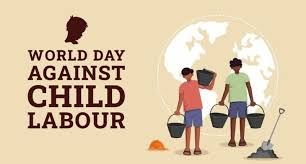
World Day Against Child Labour in Africa: Urgent Action Needed - 12 June 2025
June 12, 2025
World Day Against Child Labour in Africa: Urgent Action Needed - 12 June 2025
Progress is Clear, But Africa Faces a Mounting Crisis: Let's Speed Up Efforts!
The 2025 World Day Against Child Labour will focus on crucial new data: the release of the 2025 global estimates and trends of child labour, a joint report by the International Labour Organization (ILO) and the United Nations Children's Fund (UNICEF). This comprehensive assessment of global progress toward eliminating child labor will be particularly crucial for Africa, where the issue is deeply entrenched. While the detailed data are not yet available, the anticipated trends will inform policy debates and demand renewed commitment and investment.
Africa: A Continent Carrying a Heavy Burden
Africa bears the heaviest burden of child labour globally. One-fifth of all African children are engaged in child labour – a staggering 72 million children. This is a truly shocking statistic, and the absolute numbers highlight the urgent need for intervention. The persistent economic disparities and the escalating impact of conflict, crises, and the COVID-19 pandemic have forced more children into exploitative work.
Key Concerns for Africa:
High Prevalence: Africa leads the world in the percentage of children affected by child labour, demanding specific, targeted interventions for the region.
Economic Inequality: Insufficient economic growth, and growth that doesn't reach the most vulnerable, places immense pressure on families, making child labour a desperate means of survival.
Conflict and Crisis: Conflict and crises disproportionately affect children in Africa, pushing them into the workforce, with often devastating long-term consequences.
Education Gaps: Limited access to quality education exacerbates the child labor problem. Children who are not in school are more likely to be drawn into exploitative labor.
Beyond the Numbers:
The 72 million children affected by child labour in Africa are not just statistics. Each one represents a lost childhood, a future curtailed by poverty and exploitation. They are robbed of their fundamental rights to education, health, and a safe environment. The long-term consequences of child labor on these children’s well-being are immeasurable and cause lasting damage to society and the African economy.
Urgent Call to Action for Africa:
This World Day, the ILO calls for:
Full ratification of ILO Convention No. 138 on the Minimum Age and ILO Convention No. 182 on the Worst Forms of Child Labour: In Africa, effective implementation of these Conventions is critical to addressing the root causes of child labour.
Strengthening Prevention, Protection, and Partnerships: The Durban Call to Action's emphasis on strengthened prevention, protection, and partnerships must become the guiding framework for action in African countries. This needs targeted resources and international cooperation.
Addressing root causes: Economic growth must be inclusive and targeted toward alleviating poverty and promoting education opportunities for the most vulnerable families. International assistance and aid are essential.
Education as a Key Tool: Investing in quality education is crucial. Expanding access to early childhood development, primary, and secondary education will break the cycle of poverty and child labor.
Community Engagement: Local communities, families, and governments must work together to identify and address the specific causes of child labour in their regions.
The Time for Action is Now:
The elimination of child labour in Africa is not just a moral imperative; it is also an economic necessity. By investing in children's education, health, and well-being, Africa can unlock the potential of its future generations, secure a brighter future for all, and ensure sustainable development across the continent. We must speed up efforts to make the elimination of child labor in Africa a reality.


0 Comments