World Brain Tumor Day: A Critical Awareness Campaign, Especially in Africa
June 08, 2025
World Brain Tumor Day: A Critical Awareness Campaign, Especially in Africa
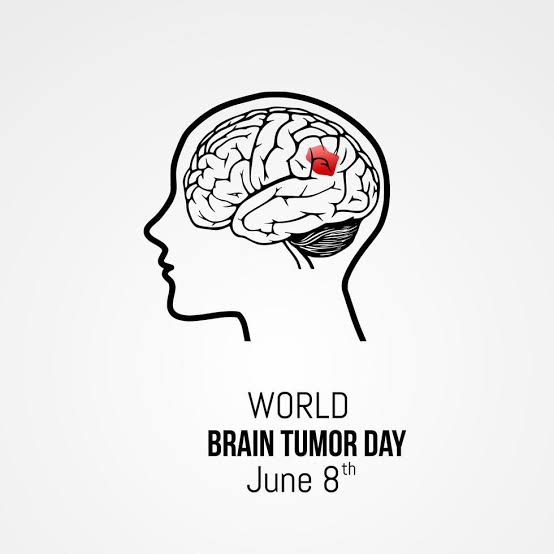
June 8th marks World Brain Tumor Day, a global initiative to raise awareness and educate people about this devastating disease. While impacting people worldwide, the challenges faced in accessing diagnosis and treatment, particularly in Africa, highlight the urgent need for increased support and resources.
Brain tumors, either benign or malignant (cancerous), pose a significant health concern. Globally, thousands of children and adults are diagnosed each year, with a worrying rise in both diagnoses and mortality rates. Early detection is crucial, as the earlier a tumor is identified, the better the chances of successful treatment. Common symptoms include recurrent headaches, seizures, vision problems, memory loss, and paralysis. Diagnostic tools such as CT scans and MRIs are essential for accurate identification and grading of the tumor.
Tumor grading is vital for treatment planning. Malignant tumors are categorized into grades I to IV, with IV being the most aggressive and fast-growing. Treatment strategies for malignant brain tumors typically involve a combination of radiation therapy, chemotherapy, targeted drug therapy, and, sometimes, surgical removal. Even benign tumors may need surgical intervention if they disrupt brain function.
The African Context: A Case Study in Disparity
The situation in Africa presents a unique and concerning perspective. The prevalence of brain tumors is likely similar to other regions, but accessibility to quality healthcare is significantly hampered. Factors like:
Poor Hygiene and Safety: Environmental factors contributing to overall health can indirectly affect the development or presentation of brain tumors. However, this should not be the primary focus here.
Limited Financial Resources: Insufficient funding in African healthcare systems often translates to inadequate access to diagnostics like CT scans and MRIs, crucial for early detection and effective treatment.
Inadequate Medical Infrastructure: A lack of well-equipped hospitals and trained specialists can delay or even prevent proper diagnosis and treatment.
This combination of factors means that many individuals in Africa with brain tumors face a significantly reduced chance of survival compared to those in more developed regions. The disparities in resources and access to care highlight the need for global collaboration and targeted initiatives to improve healthcare outcomes in these communities.
How We Can Help:
World Brain Tumor Day provides an opportunity to promote awareness, advocate for change, and offer support to affected communities. We can contribute by:
Educating ourselves and others about brain tumor symptoms and risk factors. Supporting organizations that fund research and treatment initiatives in underserved communities.
Advocating for improved healthcare access and infrastructure in Africa and other regions facing similar challenges.
Raising awareness about the disparities in cancer care.
Sharing stories of those affected by brain tumors to help others understand and connect.
By raising awareness and working towards equitable access to quality care, we can make a meaningful difference in the fight against brain tumors globally, with a particular emphasis on the challenges faced in areas like Africa. Let's leverage World Brain Tumor Day to create a more compassionate and equitable future for those battling this debilitating disease.


0 Comments