Why More Children Are Out of School in Africa — And What African Mothers Can Do About It
April 09, 2026
Why More Children Are Out of School in Africa — And What African Mothers Can Do About It
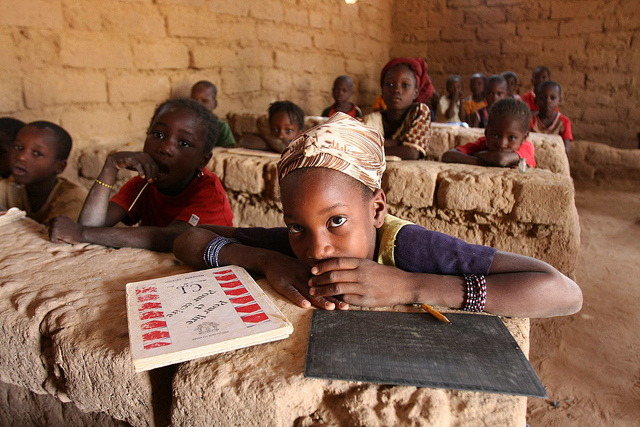
Across Africa, the number of children out of school has been rising. UNESCO data shows that sub-Saharan Africa has the highest rates of education exclusion in the world, with over 98 million children and adolescents not in school. This is not one problem but several problems hitting at once.
Why the numbers are increasing
1. Poverty and household costs
Even when public school is “free,” families still pay for uniforms, books, exam fees, transport, and meals. In many homes, money is tight. The World Bank notes that out-of-pocket health costs push 100 million people into extreme poverty yearly, and similar financial shocks force parents to pull children from school. Older children, especially girls, are often withdrawn to work, sell goods, or care for younger siblings so parents can earn.
2. Conflict and displacement
Parts of the Sahel, Central Africa, and the Horn face ongoing armed conflict and insecurity. Schools are damaged or closed, teachers flee, and families are displaced. UNICEF reports that attacks on education and fear of kidnapping keep millions of children home. Refugee and internally displaced children have some of the lowest school enrollment rates.
3. Child marriage and early pregnancy
In many countries, girls drop out due to early marriage or pregnancy. Once out, most do not return. Cultural norms, lack of sex education, and no re-entry policies in some schools make the dropout permanent.
4. Poor infrastructure and teacher shortages
Many communities have no nearby school, or the school has no desks, toilets, or safe drinking water. Lack of separate toilets for girls is a major reason adolescent girls miss class. Teacher shortages and poor training mean overcrowded classes and low learning, so parents see little value in sending children.
5. Impact of crises like COVID-19
The pandemic shut schools for months. Millions of children never returned because they had started working, gotten married, or fallen too far behind. Household incomes also dropped, making school costs harder to bear.
6. Cultural beliefs and gender bias
In some areas, boys’ education is prioritized over girls’. If resources are limited, families invest in sons first. Children with disabilities also face stigma and lack of facilities, so they stay home.
What African mothers can do to help resolve it
1. Organize at the community level
Mothers have strong influence in local communities. Mothers’ groups and PTAs can push for practical changes: building safe toilets for girls, setting up community transport, or starting school feeding programs. When mothers speak together, local leaders and schools listen.
2. Create low-cost learning support at home
Where schools are far or overcrowded, mothers can set up small learning circles. Older students or volunteers teach basic reading and math in the evenings. Radio lessons, donated books, and free apps on shared phones help children keep learning even if they miss school.
3. Advocate for re-entry and flexible schooling
Mothers can lobby head teachers and local officials to allow pregnant girls and young mothers back into class. They can also push for flexible school hours or catch-up programs for children who work or farm during planting season.
4. Tackle the cost barrier together
Community savings groups, or “ajo”/“esusu,” can be used to cover school levies, uniforms, and books. Mothers’ cooperatives can bulk-buy materials cheaper. Some groups run small businesses and use profits for a school fund.
5. Protect girls from early marriage
Mothers are often the first line of defense. Talking openly with daughters about schooling, delaying marriage, and the risks of early pregnancy makes a difference. Connecting with local NGOs, religious leaders, and health workers gives families support to resist pressure to marry off girls.
6. Demand accountability from leaders
School budgets, teacher postings, and capitation grants are public. Mothers can attend town halls, track whether promised classrooms are built, and report absent teachers. Many countries have free basic education policies—mothers’ groups help make sure those policies actually reach the child.
7. Prioritize literacy for mothers
When a mother can read, her children are far more likely to stay in school. Adult literacy classes, even informal ones, give mothers the skills to help with homework, read medical instructions, and manage money. Literate mothers also have more say in household decisions about education.
The rise in out-of-school children is tied to poverty, conflict, cost, and culture. Governments must fund schools and keep them safe. But mothers are not powerless. Through community action, advocacy, and small daily choices, they directly influence whether children learn. Change often starts with mothers deciding that every child—girl or boy—belongs in a classroom.


0 Comments