When Women Are Safe, Nations Rise: Linking Peace to Female Advancement in Africa
April 12, 2026
When Women Are Safe, Nations Rise: Linking Peace to Female Advancement in Africa
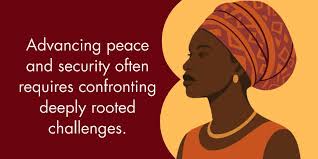
Across Africa, women drive households, markets, farms, and communities. Yet the link between peace, security, and a woman’s ability to advance is often overlooked. Where conflict, violence, and insecurity exist, women’s progress stalls. Where peace and safety take root, development follows.
Why peace and security matter for women’s advancement
1. Safety unlocks education and skills
Girls are the first to be pulled from school when communities are unsafe. Fear of attack on the way to class, displacement from conflict, or schools being destroyed cuts off learning. Without basic education, women are shut out of jobs, business, and leadership. Peace keeps classrooms open and lets girls finish school.
2. Economic activity depends on stability
Most African women work in farming, trading, and small businesses. Markets close during unrest. Roads become unsafe for travel. Land disputes in post-conflict zones strip women of farms. In peaceful settings, women invest, save, expand businesses, and join cooperatives. The African Development Bank finds that conflict can cut women’s economic participation by more than half.
3. Health and bodily safety are tied to security
Conflict increases gender-based violence, rape as a weapon of war, early marriage, and trafficking. Insecure areas also lack clinics, maternal care, and mental health support. Peace allows health systems to function, so women survive childbirth, access family planning, and live free from violence.
4. Leadership grows where women are protected
Women cannot lead if they are displaced, traumatized, or barred from public life. Peace agreements, community policing, and laws that punish violence create space for women to join politics, run for office, and shape policy. Rwanda, Liberia, and Namibia all saw women’s representation rise after conflict ended and security reforms took hold.
What peace and security look like for African women
1. Freedom from violence at home and in public
This means laws against domestic violence are enforced, police respond when called, and streets, markets, and transport are safe after dark. It also means an end to harmful practices like FGM and forced marriage, backed by community leaders.
2. Inclusion in peacebuilding
UN Resolution 1325 says women must sit at the table when peace deals are made. Women bring different priorities: schools reopening, clinics, safe water, and justice for sexual violence. When they are included, peace lasts longer. African women in South Sudan, DRC, and CAR are already leading local ceasefire talks and mediation.
3. Land and property rights protected
In many places, women farm land they cannot legally own. Widows lose homes after a husband dies. Conflict makes this worse. Secure land titles and inheritance laws give women the assets needed to get loans, grow businesses, and send children to school.
4. Economic security through jobs and social protection
Peace without income is fragile. Skills programs, access to credit, and social grants help women rebuild after crisis. Cooperatives and village savings groups create safety nets so families do not fall back into poverty.
How African women are already advancing peace and security
1. Community early-warning networks
Women traders and market leaders are often the first to sense rising tension. In Nigeria, Kenya, and Mali, women’s groups now feed information to local authorities to stop violence before it spreads.
2. Peace huts and dialogue spaces
In Liberia, “peace huts” run by women mediate family disputes, land clashes, and election tension. They use traditional authority and modern law together to keep communities calm.
3. Leading disarmament and reintegration
Women ex-combatants and mothers of fighters play key roles in convincing young men to drop arms. They also lead programs that help former fighters learn trades instead of returning to militias.
4. Building cross-border trade corridors
Women traders in the Great Lakes and West Africa push for safe border posts, reduced harassment, and common market rules. When women can trade safely, regions stabilize and incomes rise.
What needs to happen next
1. Fund women’s peace work
Less than 1% of global peace funding goes directly to women’s organizations. African governments and donors can change that by ring-fencing budgets for women-led security and mediation.
2. Train more women in security forces
Having women as police, judges, and soldiers changes how cases of rape, domestic violence, and trafficking are handled. It also builds trust so women report crimes.
3. Keep schools and clinics open during crisis
Humanitarian plans should protect learning and health as core security issues. If girls keep studying and mothers keep accessing care, communities recover faster.
4. Use technology for safety
Simple tools help: panic-button apps, toll-free hotlines, and radio programs that teach rights and warn of danger. These work even in low-resource settings.
The bottom line
Development goals for African women—education, business, health, leadership—all rest on peace and security. Without them, progress is erased by the next crisis. With them, women do not just survive. They build, lead, and advance entire nations. Investing in women’s safety is investing in Africa’s future.


0 Comments