Unleashing Potential: Special Skills for African Women's Economic Empowerment
June 27, 2025
Unleashing Potential: Special Skills for African Women's Economic Empowerment
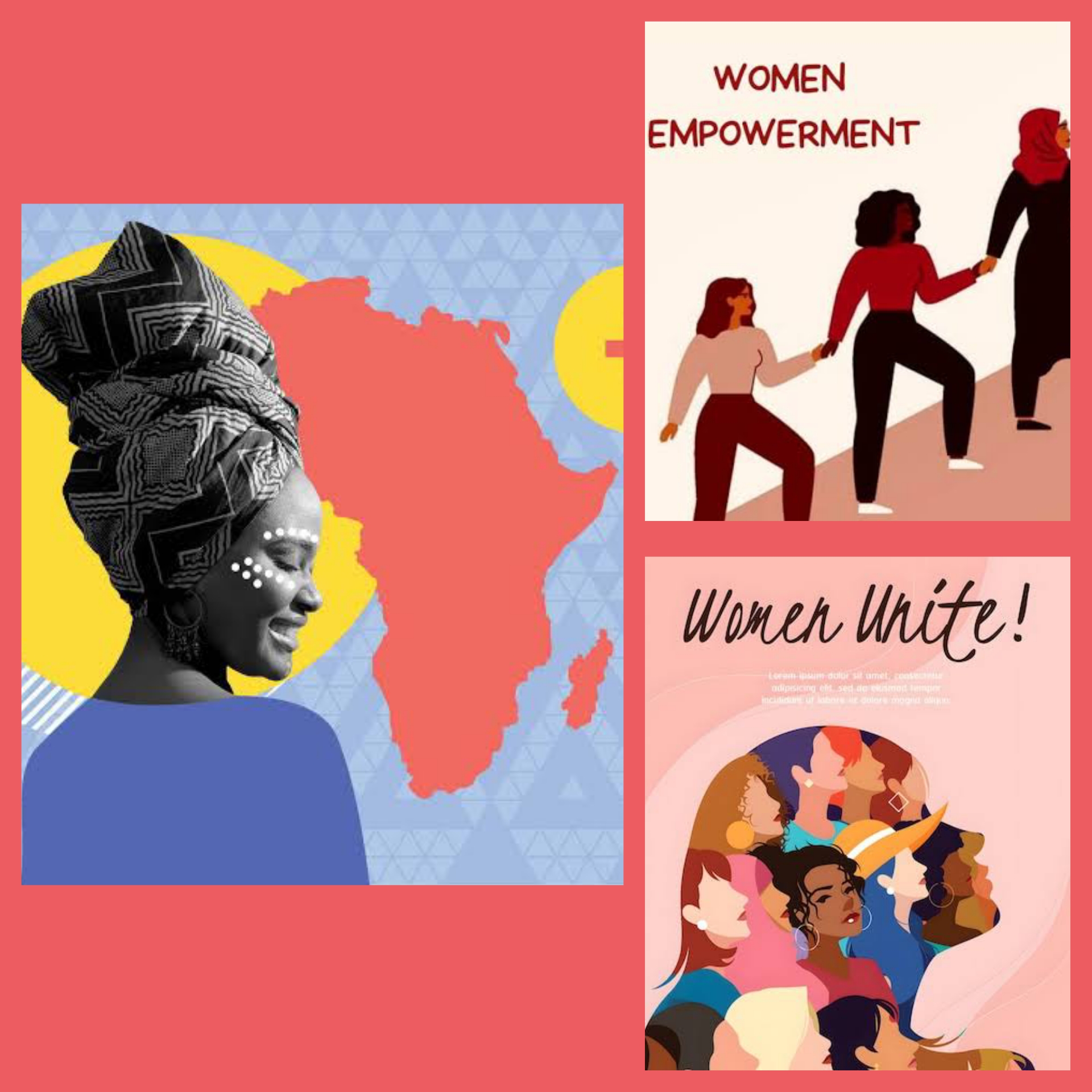
African women possess a wealth of untapped potential, often hindered by societal structures and limited opportunities. Developing specific skills is crucial for achieving financial independence and breaking cycles of dependence on men. This write-up focuses on skill development areas with strong potential for economic empowerment, acknowledging the interconnectedness of these skills and the challenges involved.
I. Entrepreneurial Skills & Business Acumen:
This section is not simply about starting a business, but about building sustainable and scalable enterprises. Key skills include:
Business Planning & Management: This goes beyond a simple business plan. It encompasses understanding market research (including identifying underserved needs), creating a solid business model, financial planning (including budgeting, cash flow management, and pricing strategies), marketing and sales, and effective customer relationship management (CRM). Access to mentorship and business incubators is crucial.
Digital Literacy & E-commerce: Proficiency in digital tools is no longer optional. This includes using social media for marketing, building a professional website (even a simple one), understanding online payment systems (like mobile money), and utilizing e-commerce platforms to reach wider markets. Training should focus on practical application and overcoming digital divides (e.g., access to reliable internet).
Supply Chain Management: Understanding how to source materials efficiently, manage inventory, and ensure timely delivery is critical for smooth business operations. This is especially important for businesses involved in agriculture or manufacturing. Financial Literacy: Beyond basic accounting, this includes understanding financial statements, managing cash flow, securing loans responsibly, and investing profits wisely. This is crucial for sustainable growth and avoiding financial pitfalls.
II. Technological Skills & Innovation:
Leveraging technology empowers women to overcome geographical limitations and access global markets:
Software Development & Coding: While demanding, this offers high earning potential. Focus should be on practical skills in demand, alongside soft skills like teamwork and communication. Bootcamps and online learning platforms can be effective training avenues.
Data Analysis & Management: The ability to interpret data is valuable across sectors. Training should emphasize practical application using relevant tools and software. This skill is particularly valuable in agriculture, healthcare, and finance.
Renewable Energy Technologies: Skills in solar panel installation, maintenance, and other renewable energy solutions offer both income generation and contribute to environmental sustainability. This is particularly relevant in areas with limited access to reliable electricity.
Mobile App Development: Creating mobile apps tailored to local needs can be highly lucrative, especially in areas with high mobile phone penetration.
III. Specialized Vocational Skills:
These skills provide immediate income generation and often require less upfront capital:
Tailoring & Fashion Design: With creativity and marketing skills, this can be a profitable venture, particularly with a focus on sustainable or ethically sourced materials.
Hairdressing & Cosmetology: A high-demand sector, requiring both technical skills and excellent customer service.
Baking & Food Processing: From traditional recipes to innovative food products, this sector offers opportunities for entrepreneurship.
Craft Making & Artisan Skills: Preserving traditional crafts while adapting them to modern markets can be highly successful.
IV. Soft Skills & Personal Development:
These skills are essential for success in any field:
Leadership & Negotiation: Strong leadership and negotiation skills are crucial for building successful businesses and navigating social and economic challenges. Communication & Interpersonal Skills: Effective communication is essential for building relationships with clients, suppliers, and partners. Problem-Solving & Critical Thinking: The ability to identify and solve problems creatively is crucial for overcoming obstacles and adapting to changing circumstances. Time Management & Organization: Efficient time management and organizational skills are essential for balancing multiple responsibilities.
Challenges & Solutions:
Overcoming barriers to economic empowerment requires a multi-faceted approach:
. Access to Quality Education & Training: Affordable and accessible training programs tailored to the needs of women, considering cultural sensitivities and logistical constraints.
Financial Inclusion: Expanding access to microfinance, loans, and other financial services specifically designed for women entrepreneurs.
Mentorship & Networking: Creating supportive networks and providing access to mentors who can guide and support women entrepreneurs.
Addressing Gender Inequality: Challenging deeply ingrained social norms and discriminatory practices that limit women's opportunities.
Infrastructure Development: Improving access to reliable electricity, internet, and transportation to facilitate business operations.
Policy Support: Government policies that promote women's economic empowerment, including access to land, credit, and markets.
By addressing these challenges and investing in these skills, African women can build thriving businesses, achieve financial independence, and contribute significantly to their communities and the continent's economic growth. This requires a collaborative effort involving governments, NGOs, private sector actors, and the women themselves.


0 Comments