The Urgent Need to Counter Hate Speech: Marking World Hate Speech Day
June 18, 2025
The Urgent Need to Counter Hate Speech: Marking World Hate Speech Day
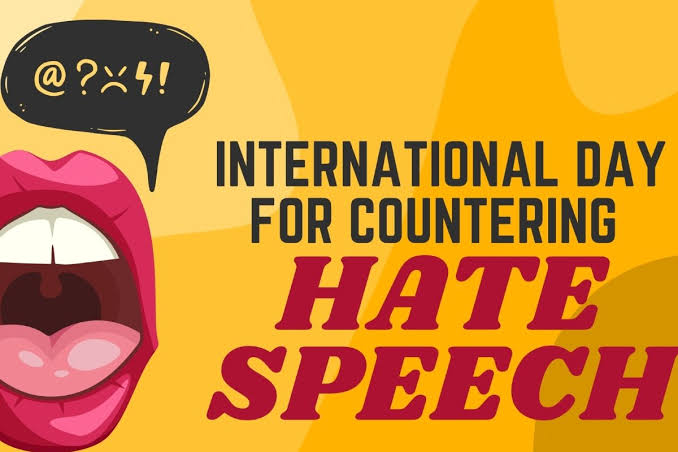
June 18th marks the International Day for Countering Hate Speech, a crucial reminder of the pervasive and escalating threat of hateful rhetoric in our increasingly interconnected world. As UN Secretary-General António Guterres notes, hate speech "travels faster and farther than ever," amplified by the very technologies designed to connect us. This year's focus highlights the dangerous synergy between hate speech and artificial intelligence, a nexus demanding urgent attention.
The consequences of unchecked hate speech are devastating. It fuels conflict, undermines peace and development, and violates fundamental human rights. While hatred is not a new phenomenon, its spread through social media and other digital platforms has exponentially increased its reach and impact, creating echo chambers of intolerance and normalizing harmful ideologies. The UN Strategy and Plan of Action on Hate Speech defines hate speech as communication that attacks or discriminates against individuals or groups based on identity factors. While a universally agreed-upon legal definition remains elusive, the harmful effects are undeniable.
The role of artificial intelligence is particularly concerning. While AI can be a valuable tool for early warning systems and conflict prevention, biased algorithms and digital platforms can inadvertently, or even intentionally, spread toxic content, creating fertile ground for harassment and abuse. This necessitates a responsible approach to AI development and deployment, guided by human rights safeguards and ethical considerations. The Global Digital Compact and ongoing efforts by Member States underscore the importance of AI governance in mitigating these risks.
Combating hate speech requires a multi-pronged approach involving governments, civil society, technology companies, and individuals. The UN's #NoToHate campaign emphasizes the importance of proactive measures, including:
Education: Equipping individuals with the knowledge and skills to identify and challenge hate speech is paramount. Media and information literacy are essential tools in navigating the complex information landscape and resisting the spread of misinformation and disinformation. Collaboration: Partnerships between governments, tech companies, and civil society are crucial for developing effective strategies to monitor, mitigate, and prevent the spread of hate speech online. This includes implementing robust content moderation policies and promoting responsible AI development. Individual Action: Each person has a role to play. This includes pausing before sharing content online, verifying information to avoid spreading misinformation, speaking out against hate speech calmly and respectfully, supporting victims, and reporting harmful content. Addressing the Root Causes: Hate speech often stems from deeper societal issues such as discrimination, prejudice, and inequality. Addressing these underlying causes is crucial for long-term solutions. The focus on inter-religious and intercultural dialogue is essential in fostering understanding and tolerance.
The 4th High-Level event for Countering Hate Speech, focusing on the intersection of hate speech and AI, underscores the urgency of the situation. The event highlights the preventative role of education in countering hatred, emphasizing that hate is learned and can be unlearned through education and critical thinking. It’s a collective responsibility—from governments and corporations to educators and individuals—to create inclusive and safe spaces free from the scourge of hate speech. Only through sustained, collaborative efforts can we hope to build a world where kindness and respect prevail over hatred and intolerance.


0 Comments