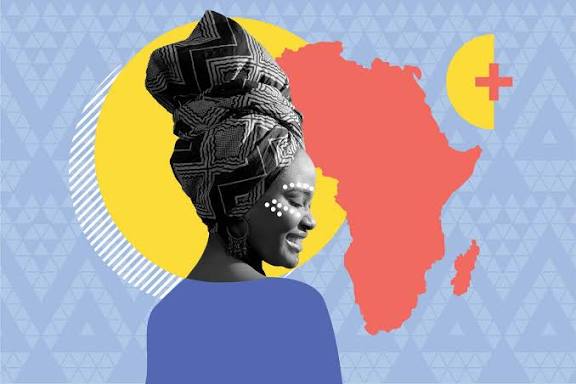
Across Africa, the status of women varies greatly from country to country. While some nations are beacons of progress, others still grapple with entrenched inequalities.
In Rwanda, women hold an impressive 61% of parliamentary seats, making it the global leader in female representation. South Africa, Namibia, and Senegal also rank high in women's political participation. However, countries like Morocco and Nigeria have only a handful of female ministers in their cabinets.
In the economic sphere, women make up over 60% of Africa's agricultural workforce but own less than 15% of land. Many struggle to access credit, hindering their ability to grow businesses and contribute to their economies.
Education is another area of mixed progress. While gender gaps in secondary school enrollment have narrowed, disparities persist in tertiary education and vocational training.
Healthcare remains a significant concern, with over 800 women dying daily due to pregnancy-related complications.
Despite these challenges, there are glimpses of hope. More African women are taking up leadership roles, and grassroots initiatives are empowering girls and women across the continent.
The journey to equality is long and winding, but Africa's women are determined to drive change. As the continent celebrates its strengths and tackles its shortcomings, one thing is clear: the future of Africa is inextricably linked to the progress of its women.


0 Comments