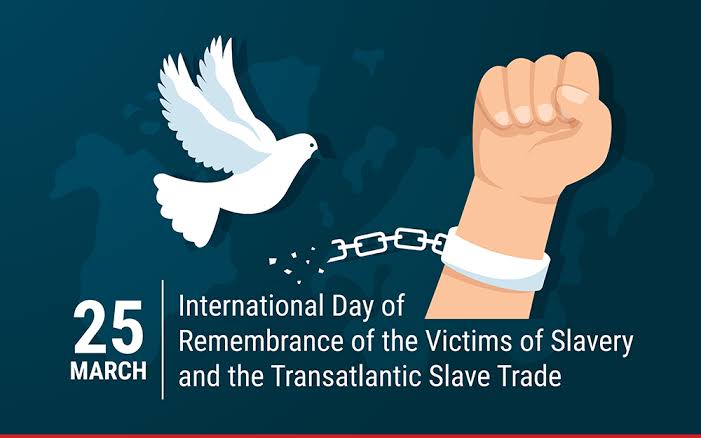
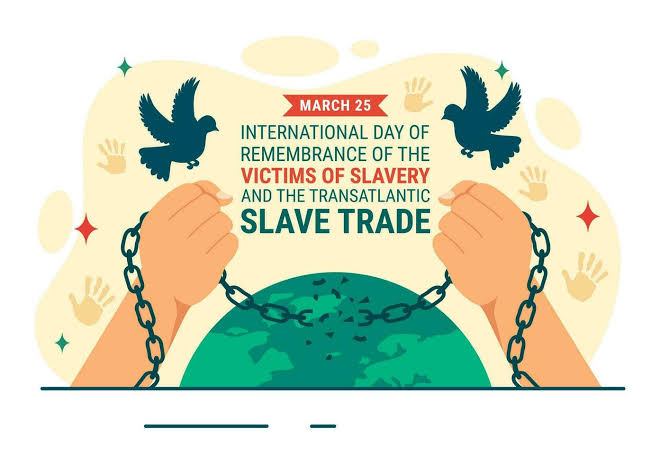
The International Day of Remembrance of the Victims of Slavery and the Transatlantic Slave Trade, observed on March 25th, serves as a crucial reminder of the horrific human cost of this brutal trade. This poignant day compels us to acknowledge the past, repair the present, and build a future of dignity and justice. When examining the legacy of this trade, Africa's experience stands out in stark relief, highlighting the profound and lasting impact on the continent, particularly on women and the entire African community.
The transatlantic slave trade, lasting from the 15th to the 19th century, forcibly uprooted millions from their homes in West Africa. This horrific trafficking, driven by the insatiable thirst for labor in the Americas, led to the systematic destruction of families and communities. It was more than just a labor exploitation – the trafficking created and perpetuated a system of racialized power dynamics that deeply affect society today. The false narratives of white supremacy and racial inferiority embedded in this historical context continue to haunt contemporary relations.
The impact on Africa was far-reaching and deeply entrenched. The theft of human potential, the loss of cultural knowledge and artistic talent, and the disruption of social structures left lasting scars on the continent's development. Furthermore, Africa suffered not only the direct consequences of slavery, but also the ongoing prejudice and racism that stemmed from the transatlantic slave trade. These effects permeate various aspects of life – from economic disparities to social inequalities.
The experience of enslaved women in Africa is particularly harrowing. Beyond the physical and emotional trauma shared with their male counterparts, enslaved women faced unique forms of abuse and exploitation. These included the forced sexual exploitation, the violation of their reproductive rights, and the dehumanizing treatment inflicted upon them, often leading to the severe degradation and undermining of their dignity as mothers, sisters, and wives. Their roles as mothers and caregivers, often their only means of survival, were violently disrupted.
The fight against slavery and its legacy in Africa is multifaceted. Education and remembrance are critical tools in healing these wounds. Recognizing the resilience and resistance of enslaved Africans, their powerful acts of defiance, and their vital contributions to the Americas is essential in the process of acknowledging past injustices. The United Nations, through initiatives like the Outreach Programme on the Transatlantic Slave Trade and Slavery, and UNESCO's Routes of Enslaved Peoples Project, plays a vital role in bringing these stories to light and educating future generations.
The International Day of Remembrance is more than a historical commemoration; it's a call to action. It urges us to dismantle the structures that continue to perpetuate inequalities. For Africa, this means confronting ongoing racism, promoting economic development, and advocating for policies that address the disproportionate impact of historical trauma on marginalized communities, especially women.
The struggle for equality and justice is not simply a matter of addressing the past, but also of actively building a more just and equitable future for all. The legacy of slavery, racism, and abuse, particularly against women, in Africa demands unwavering commitment, education, and continued advocacy to ensure that such injustices are never again repeated.


0 Comments