The Plight of Widows in Africa: A Focus on International Widows' Day
June 24, 2025
The Plight of Widows in Africa: A Focus on International Widows' Day
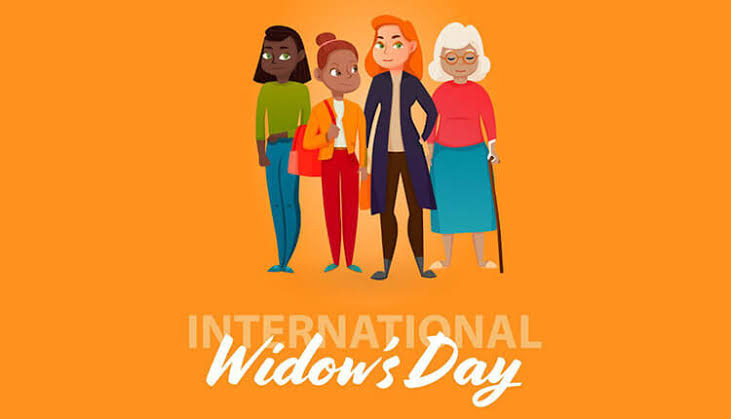
International Widows' Day, observed annually on June 23rd, serves as a crucial reminder of the global challenges faced by widows, a population exceeding 258 million worldwide. While the struggles of widows are felt globally, the situation is particularly dire in developing countries, especially across the African continent. This write-up explores the unique difficulties faced by African widows and highlights the importance of International Widows' Day in advocating for their rights and well-being.
The statistics paint a grim picture: nearly one in ten widows lives in extreme poverty, largely due to limited access to economic resources, credit, and employment opportunities. In Africa, this poverty is exacerbated by pre-existing socio-economic inequalities. Widowhood often strips women of their social standing, access to land ownership (in many communities land is inherited through male lineage), and financial independence, leaving them vulnerable to exploitation and destitution.
Beyond economic hardship, African widows face a range of other significant challenges:
Violence and Harmful Practices: Africa has a high prevalence of violence against widows, both physical and psychological. Harmful traditional practices, often rooted in deeply ingrained cultural beliefs, further endanger them. These practices can range from forced eviction from their homes, denial of inheritance rights, to participation in life-threatening rituals connected to their husband's burial. The practice of forcing a widow to drink water used to wash her husband's corpse, mentioned in the provided text, exemplifies the extreme nature of these traditions.
Health Issues: Poor nutrition, lack of adequate shelter, and limited access to healthcare contribute significantly to the poor health outcomes for many African widows. The added vulnerability of widows who lost their husbands to AIDS, sometimes without knowing their HIV status themselves, further complicates their situation. Many are left to care for orphaned children in impoverished environments, putting tremendous stress on their overall health and well-being.
Conflict and Displacement: In regions affected by conflict, widows are particularly vulnerable. Displacement from their homes and the challenges of survival in refugee camps add to their already immense burdens. They often face difficulties in accessing food, shelter, and basic necessities while struggling to provide for their families.
International Widows' Day provides a platform to address these critical issues. While initiatives like those undertaken by the Loomba Foundation – such as holding awareness events and providing access to resources – are crucial, larger systemic changes are needed. Governments must actively uphold national laws protecting widows’ rights, ensuring access to justice, and challenging harmful traditional practices. This includes guaranteeing inheritance rights, providing access to credit and microfinance schemes, and ensuring access to education and healthcare.
Beyond governmental action, individuals can also contribute: Offering support to widows within their communities, donating to organizations dedicated to widow support, and raising awareness through social media using #InternationalWidowsDay are all vital steps toward creating a more just and equitable future for widows in Africa and around the world. Ultimately, celebrating International Widows' Day requires a commitment to action, not just awareness, to alleviate the suffering and empower the resilience of widows across the African continent.


0 Comments