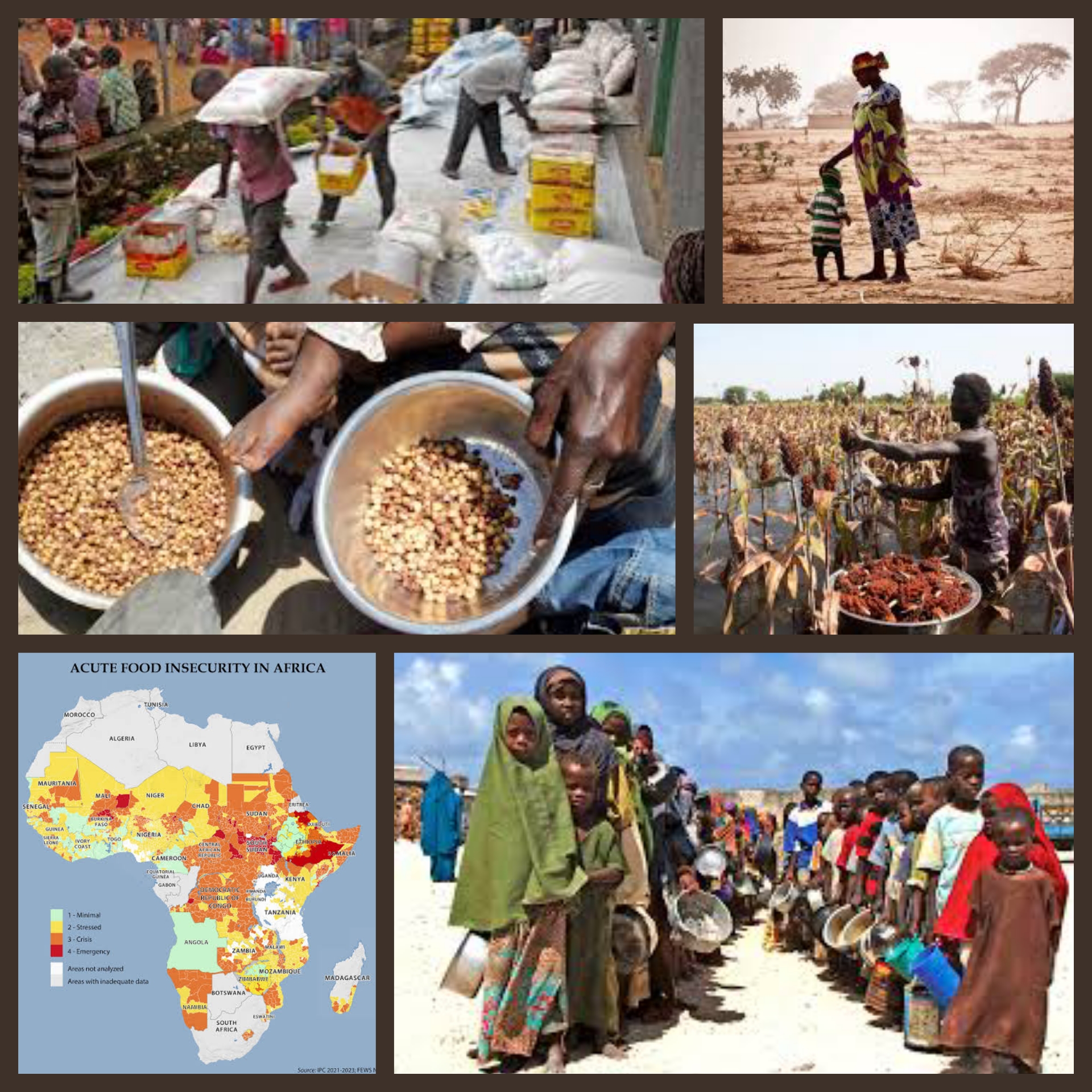
The escalating food crisis in Sudan is a stark reminder of the devastating human cost of conflict and inequality. The country teeters on the brink of famine, with over 30 million people facing acute food insecurity. However, the crisis's impact isn't evenly distributed. Women and girls are disproportionately affected, highlighting a profound gendered emergency.
The conflict that erupted in mid-2023 has dramatically intensified this crisis. Women and girls, already facing systemic disadvantages, are bearing the brunt of the escalating food insecurity. They have less access to resources, aid, and are at greater risk due to the instability. A recent assessment, by a group working on gender issues in humanitarian emergencies, paints a horrifying picture: 75% of female-headed households are now food insecure, a staggering rise from just 14% in 2024. These female-headed households face a three-fold higher risk of food insecurity than those led by men.
The reasons behind this are multifaceted. The displacement and loss of male family members due to death, disappearance, or forced migration have thrust women into primary caregiver roles, often with limited access to land, employment, and support systems. They face substantial barriers to securing food, income, and aid. The consequences are dire. Half of these female-headed households report inadequate food consumption, with only a third having access to a nutritious diet. Moreover, over 70% of women nationally aren't meeting minimum dietary standards, putting maternal and child health at grave risk.
Yet, amid this crisis, women are demonstrating extraordinary resilience. Women-led organizations are tirelessly working on the ground, reaching marginalized communities and delivering crucial aid. They run vital food kitchens and provide essential support, but face significant challenges. A recent example underscores the urgent need for sustained support: one women-led organization, serving eight states, was forced to close down many of its kitchens not due to reduced need, but due to the lack of funding.
The situation in Sudan demands a rapid and profound response, one that prioritizes gender equality and recognizes the vital role of women in alleviating suffering. It's not just about providing food; it's about addressing the systemic inequalities that leave women and girls vulnerable. A coordinated humanitarian response must prioritize:
* Targeting female-headed households: Aid must specifically reach these vulnerable groups, including pregnant and breastfeeding women and adolescent girls.
* Supporting women-led initiatives: Providing stable, direct funding is vital for empowering women-led organizations to continue their crucial work.
* Women in decision-making: Integrating women into humanitarian decision-making processes is essential to ensure an equitable response.
* Linking assistance to long-term recovery: The aid package must address gender-based violence and work to rebuild women's livelihoods.
* Measuring gender-specific impact: Assessing the impact of interventions on women and girls' well-being is crucial to creating lasting solutions.
The situation in Sudan is desperate, but there's still hope. By actively listening to women, amplifying their leadership, and prioritizing gender equality in the response, we can mitigate the suffering and build a more equitable future. The current trajectory points towards famine, and we cannot wait until the situation deteriorates further. Immediate action is needed to prevent a humanitarian catastrophe and save lives.



0 Comments