The Engine and the Wheel: Examining the Intertwined Roles of Women and Society's Progress
July 17, 2025
The Engine and the Wheel: Examining the Intertwined Roles of Women and Society's Progress
The assertion that women's "selfishness and greed" hinder societal growth, leading to male dominance and marginalization, is a harmful and inaccurate oversimplification. It's a dangerous stereotype that ignores the complex interplay of factors shaping societies, and particularly, the crucial contributions of women, especially in Africa.
While individual actions can have consequences, attributing societal stagnation or progress solely to the inherent qualities of one gender is a simplistic and ultimately inaccurate portrayal. Instead of framing women as solely responsible for either societal advancement or decline, we should examine the systemic factors that allow some women's potential to flourish while holding others back.
Challenging the Stereotypes:
The idea that "selfishness" and "greed" are inherent female traits is a deeply ingrained, harmful stereotype. It's crucial to recognize that these qualities are not tied to gender but instead are often linked to socioeconomic inequalities, power dynamics, and the societal pressures faced by individuals, regardless of their gender.
The Crucial Role of African Women:
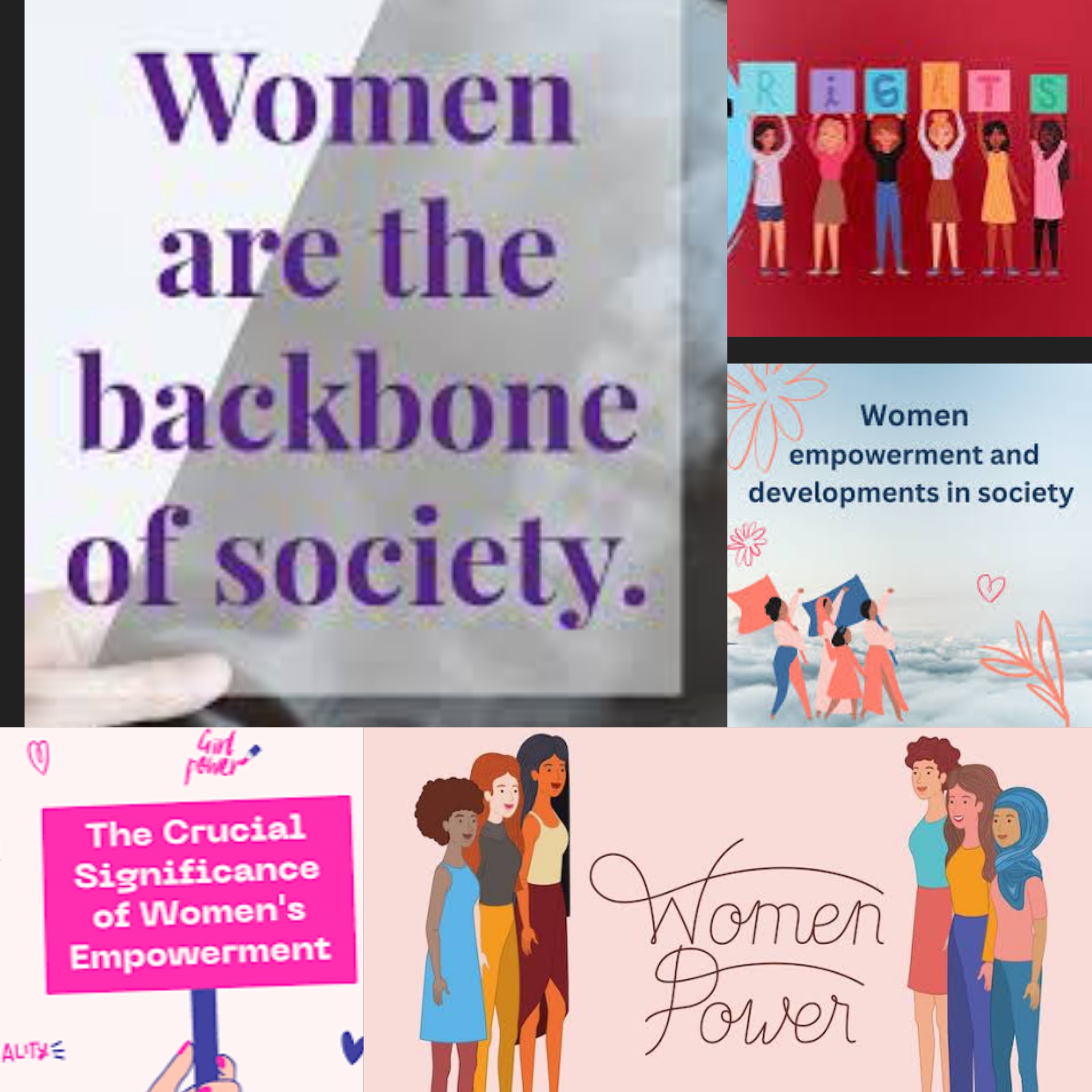
The assertion that African women are the "engines of every society" is powerful and reflects the essential contributions they make in diverse spheres, including agriculture, entrepreneurship, education, and community leadership. Their resilience, innovation, and dedication to their families and communities are undeniable. However, labeling them as *the* engine implies a singular role and diminishes the crucial contributions of men and other societal elements.
A more accurate perspective acknowledges the multifaceted roles women play and recognizes the interplay between these roles and societal development. Sustainable progress requires a collaborative approach where both women and men contribute their unique skills and perspectives.
Examining Systemic Barriers and Opportunities:
Instead of focusing on inherent gender traits, we need to analyze the systemic factors that limit or empower women:
Economic inequality: Access to education, resources, and financial opportunities directly impacts women's ability to participate fully in society. Policies and programs that address economic disparities are crucial. Cultural norms and traditions: Harmful traditional practices that restrict women's freedom and opportunities need to be challenged and dismantled. Political representation: Increased representation of women in political decision-making bodies is essential to ensure their voices are heard and their interests are considered. Social support systems: Creating supportive communities and social structures that facilitate women's involvement in economic and social life is crucial. Gender-based violence: Addressing violence against women is not just a moral imperative but a critical step towards allowing women to contribute their full potential.
The Interconnectedness of Progress:
Societal growth and development are not singular phenomena driven by one gender. They are the result of the interactions between diverse groups and the interplay of social, economic, and political systems. Women, men, and other groups contribute unique skills and perspectives. Focusing on systemic changes that address inequalities and empower all genders is essential for sustainable progress.
Moving Forward:
We must move beyond simplistic stereotypes and recognize the complex realities shaping the lives of women in all societies, including African societies. The focus should shift from blaming women for societal issues to building supportive systems that empower all individuals to participate fully and contribute to a more just and equitable world. This requires a multifaceted approach that tackles the root causes of inequality, promotes inclusivity, and fosters collaborative partnerships among women, men, and all members of society.


0 Comments