Sustainable Development Goals: Africa's Progress and Potential
October 23, 2025
Sustainable Development Goals: Africa's Progress and Potential
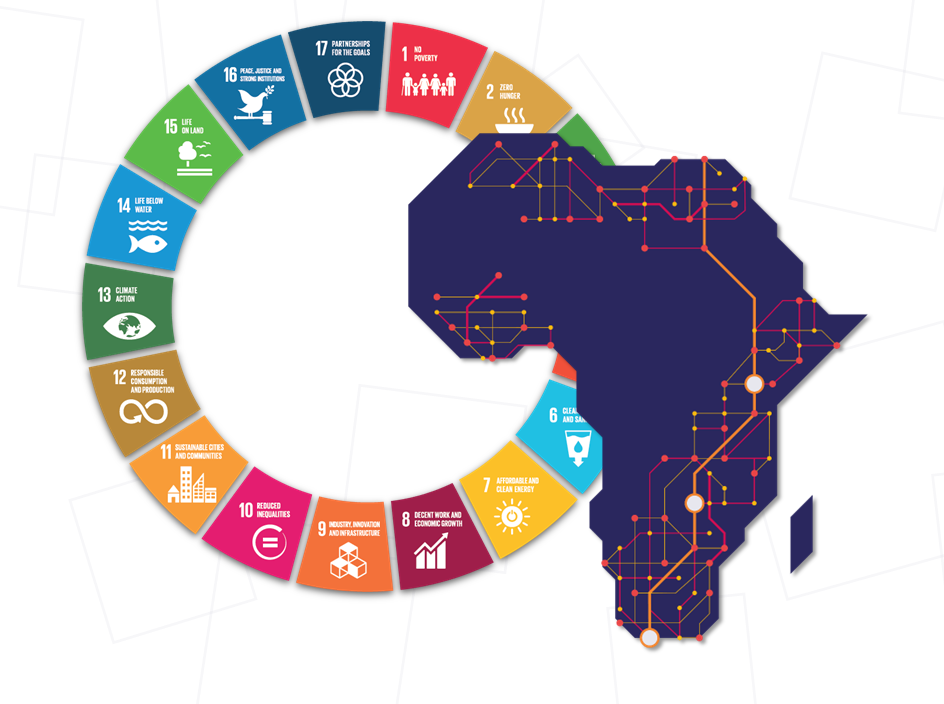
SDG stands for Sustainable Development Goals, a collection of 17 interconnected goals adopted by the United Nations in 2015 to achieve a more sustainable and equitable world by 2030.
Why was SDG created?
The SDGs were created to address global challenges like poverty, inequality, climate change, and environmental degradation. They provide a universal call to action for countries, organizations, and individuals to work towards a common vision of a better future.
The 17 SDGs:
1. No Poverty
2. Zero Hunger
3. Good Health and Well-being
4. Quality Education
5. Gender Equality
6. Clean Water and Sanitation
7. Affordable and Clean Energy
8. Decent Work and Economic Growth
9. Industry, Innovation and Infrastructure
10. Reduced Inequalities
11. Sustainable Cities and Communities
12. Responsible Consumption and Production
13. Climate Action
14. Life Below Water
15. Life on Land
16. Peace, Justice and Strong Institutions
17. Partnerships for the Goals
Achievements:
Some notable achievements towards the SDGs include:
- Poverty reduction: Extreme poverty rates have declined by more than half since 2000.
- Improved education: Primary school enrollment has increased globally, with more girls attending school.
- Renewable energy growth: Renewable energy capacity has expanded rapidly, with solar and wind energy becoming increasingly cost-competitive.
- Climate action: Countries are submitting Nationally Determined Contributions (NDCs) to reduce greenhouse gas emissions and address climate change.
The SDGs provide a framework for countries to prioritize sustainable development, promote partnerships, and track progress towards a more equitable and sustainable world.
Leading Countries:
- Morocco: Prioritizing economic resilience and social transformation, Morocco is making strides in achieving the SDGs.
- South Africa: Actively working on SDG localization, South Africa is leveraging its strong institutions and civil society to drive progress.
- Rwanda: With its commitment to sustainable development, Rwanda is implementing innovative solutions to achieve the SDGs, focusing on areas like renewable energy and sustainable agriculture.
- Egypt: Egypt is making progress on SDG 6 (clean water and sanitation) and SDG 7 (affordable and clean energy), with initiatives like the Suez Canal Economic Zone.
- Nigeria: Nigeria is prioritizing SDG localization, with efforts to improve infrastructure, energy access, and economic diversification.
Key Strategies:
- Localization: Adapting SDGs to national and local contexts, ensuring relevance and effectiveness.
- Partnerships: Fostering collaborations between governments, civil society, private sector, and international organizations.
- Innovative Financing: Exploring new funding models, such as impact investing and blended finance.
- Data-Driven Decision Making: Using data and analytics to inform policy and track progress.
These countries are showcasing the potential of SDG localization in Africa, driving progress towards a more sustainable and equitable future.


0 Comments