Skills to Profit in Africa: How Women Can Transform Rural Value Chains
February 14, 2026
Skills to Profit in Africa: How Women Can Transform Rural Value Chains
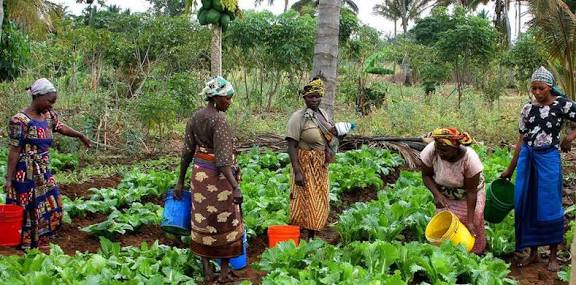
Rural Africa thrives on the labor of women, yet their contribution rarely translates into financial independence. From sunrise to sunset, women till fields, process food, and trade goods—yet they’re often cut off from land ownership, credit, technology, and market access. To change this narrative, we must equip women with practical, income-generating skills that move them from survival to success.
Why Skills Matter
In many rural communities, women already know how to grow crops, preserve food, and manage households. What they need now are _practical, market-aligned skills_—like agribusiness management, digital marketing, financial literacy, and value-added processing. When women learn how to package, brand, and sell their produce beyond local markets, they shift from subsistence to entrepreneurship.
From Farm to Market: Adding Value
Take, for example, a woman growing tomatoes in northern Nigeria. Without skills, she sells fresh tomatoes at low prices and risks post-harvest losses. But with training in processing and packaging, she can turn those tomatoes into puree or dried powder—products that fetch higher prices and last longer. This simple shift changes her from a low-income farmer to a small-scale manufacturer.
Digital and Financial Tools
Mobile technology is a game-changer. Women trained to use digital platforms can access market prices, connect with buyers, and receive payments securely. Financial literacy helps them manage profits, save, and reinvest. When combined with access to microcredit or women-focused investment funds, these skills unlock massive potential.
Collective Power: Cooperatives and Networks
Skills don’t just empower individuals—they strengthen communities. Women’s cooperatives allow members to pool resources, share knowledge, and scale production. A group of women trained in shea butter processing in Ghana, for instance, can collectively meet export standards and reach international buyers—something no one could do alone.
Breaking Barriers
Cultural norms, limited mobility, and lack of education still hold many women back. That’s why skill-building programs must be gender-sensitive, community-based, and tied to real market opportunities. NGOs, governments, and private sector players must invest in women-centric training that leads to _profit_, not just participation.
The Bottom Line
When African women gain the right skills, they don’t just improve their own lives—they transform entire value chains. They create jobs, boost local economies, and build resilience against poverty and climate shocks. Skills to profit isn’t just a slogan—it’s a pathway to inclusive growth, powered by women who already hold the keys to Africa’s rural potential.


0 Comments