Remembering Rwanda: A Day of Reflection and a Call to Action
April 07, 2025
Remembering Rwanda: A Day of Reflection and a Call to Action
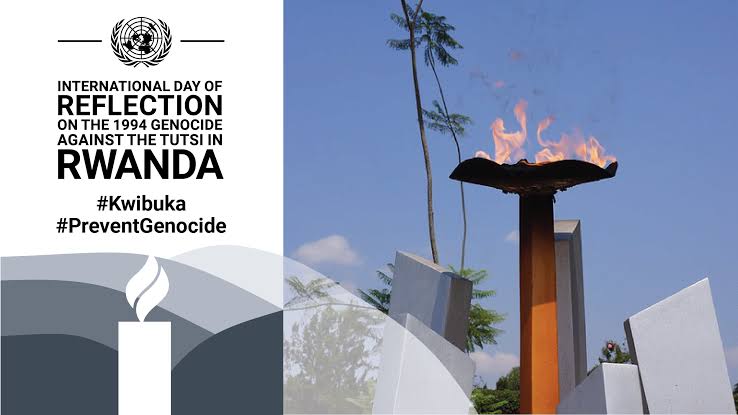
April 7th marks the International Day of Reflection on the 1994 Rwandan Genocide, a day dedicated to remembering the victims of one of history's most horrific atrocities and recommitting to preventing future genocides. Established by the United Nations in 2004, this annual observance serves as a somber reminder of the devastating consequences of hatred and indifference.
The 1994 genocide claimed the lives of an estimated 800,000 people in a harrowing 100 days. This year, commemorative events were held worldwide, from the Rwandan capital of Kigali to global hubs like New York City, Dar-es-Salaam, and Geneva. These events provided spaces for mourning, remembrance, and a crucial opportunity for reflection on the events that led to the genocide and the lessons learned since.
A key element of the International Day of Reflection is the global call for a minute of silence. This simple act of remembrance, observed by UN member states, underscores the shared responsibility to never forget the victims and to remain vigilant against the resurgence of similar horrors.
In his powerful address at the Palais des Nations in 2004, then-UN Secretary-General Kofi Annan not only honored the memory of those lost but also issued a crucial call to action. He emphasized the urgent need for international cooperation and effective mechanisms to prevent future genocides, highlighting the failure of the international community to act decisively during the Rwandan genocide. His words remain a stark reminder of the ongoing need for proactive measures to protect vulnerable populations and hold perpetrators of such crimes accountable.
The International Day of Reflection on the 1994 Rwandan Genocide is more than a date on the calendar; it is a crucial opportunity for global introspection. It serves as a constant reminder of the fragility of peace, the devastating consequences of unchecked hatred, and the imperative to learn from the past to build a more just and peaceful future. The silence, the commemorations, and the ongoing calls for action all contribute to ensuring that the victims of the Rwandan genocide are not forgotten and that their suffering serves as a catalyst for positive change.


0 Comments