Namibia celebrates its national holiday on March 21st each year, commemorating the country's independence from South Africa on March 21, 1990. The WAELE AFRICA Foundation extends its warmest congratulations to the government and people of the Republic of Namibia on this momentous occasion.
A History of Namibian Independence
European interest in the region emerged in the early 19th century. In 1884, fearing British control, Namibia became a German colony, German South West Africa. Following Germany's defeat in World War I, the League of Nations mandated South Africa to administer the territory.
The League of Nations dissolved in 1946, replaced by the United Nations, which established a Trusteeship system to oversee former German colonies in Africa. South Africa, however, resisted relinquishing control, arguing that Namibians were content with South African rule. Despite this, South-West Africa was essentially treated as part of South Africa.
From the 1960s onwards, mounting internal and external pressure—mirroring the wider decolonization movement across Africa—prompted calls for independence. The 1970s saw the independence of neighboring states like Zambia and Angola, bolstering the resistance against South Africa. The People's Liberation Army of Namibia (PLAN) spearheaded the armed struggle for independence during the Namibian War of Independence.
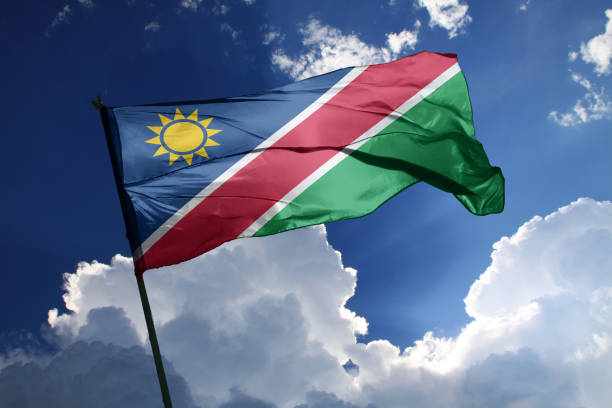
Finally, in 1988, South Africa agreed to end its occupation of Namibia, in line with a UN peace plan for the region. Namibia officially gained its independence on March 21, 1990, adopting its current name and flag. Sam Nujoma became the first president, taking the oath at a ceremony attended by Nelson Mandela, recently released from prison.
Did you know?
Namibia is named after the Namib Desert, which is thought to be the oldest desert in the world.


0 Comments