Justice Under Pressure: The Urgent Need for Judicial Well-being in Africa
July 25, 2025
Justice Under Pressure: The Urgent Need for Judicial Well-being in Africa
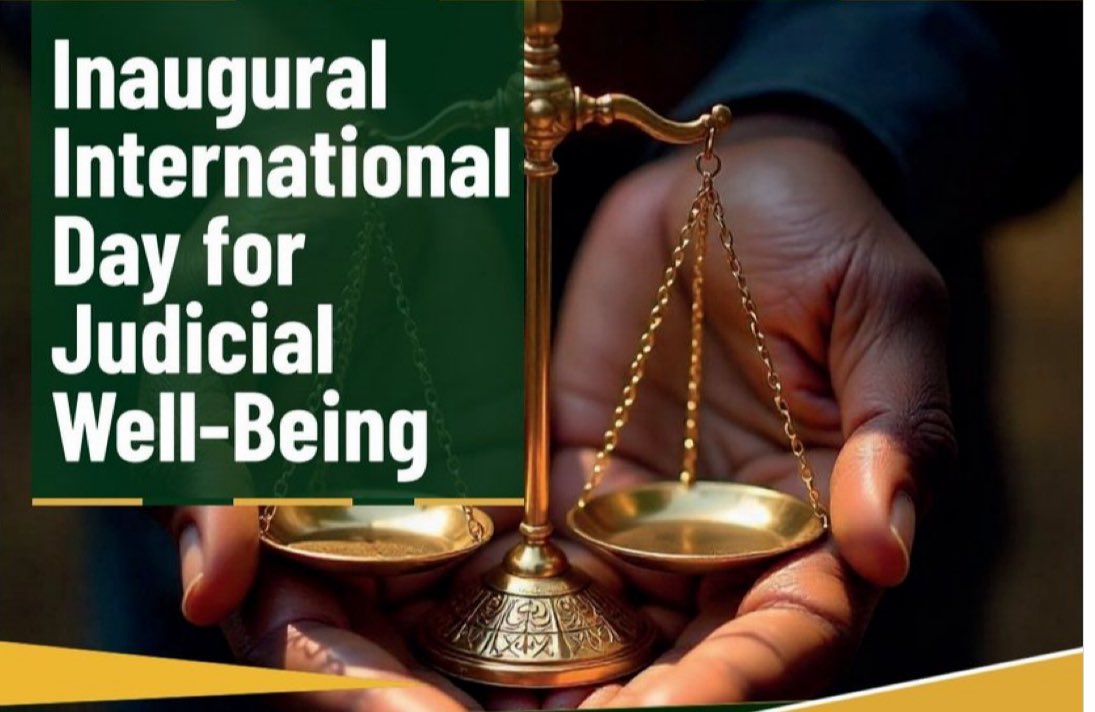
The International Day on Judicial Well-being (July 25th) highlights a critical issue impacting justice systems globally: the well-being of judges and judicial officers. While the challenges are widespread, the African context presents unique and often amplified pressures demanding urgent attention. The pursuit of impartial justice is severely hampered when those responsible for upholding the rule of law are themselves struggling.
The Weight of Justice on African Judges:
Judges in Africa shoulder immense responsibilities, facing complex cases, often in resource-scarce environments. They are the guardians of the rule of law, protectors of rights, and arbiters of justice in societies grappling with diverse and often deeply entrenched challenges. However, beyond the bench, many silently endure considerable strain.
The global survey data paints a stark picture: overwhelming stress, lack of time for self-care, and a pervasive taboo around mental health are common experiences for judges worldwide. In Africa, these challenges are often compounded by:
Under-Resourced Systems: Many African nations face significant budget constraints that directly affect the judiciary. Limited resources translate to inadequate infrastructure (poor court facilities, lack of technology), insufficient staffing, and limited training opportunities. This leads to overwhelming workloads, inefficient processes, and burnout among judges.
Political Interference and Corruption: The independence of the judiciary is frequently threatened by political interference and corruption. Judges may face pressure, intimidation, or even threats for delivering decisions that challenge powerful interests. This creates immense ethical dilemmas and significant psychological stress.
Security Risks: In some regions, judges and court staff face security risks, adding a layer of fear and anxiety to their already demanding jobs. This necessitates additional protective measures which can further strain already limited resources.
Socio-cultural Barriers: Stigma surrounding mental health is a significant barrier in many African societies. Judges may be hesitant to seek help for stress or mental health issues, fearing professional repercussions or social judgment. This silence prevents crucial support and intervention.
Strengthening Justice Through Well-being:
The International Day on Judicial Well-being is not merely an occasion for recognition; it's a call to action. In the African context, this requires a multi-pronged approach:
Investing in Judicial Support: Increased funding is crucial for improving court infrastructure, providing necessary technology and administrative support, and ensuring adequate staffing levels. This includes investing in robust training programs that incorporate well-being strategies.
Protecting Judicial Independence: Safeguarding the judiciary from political interference and corruption is paramount. This requires strong institutional frameworks, transparent processes, and robust mechanisms for accountability.
Promoting Mental Health Awareness: Destigmatizing mental health within the judiciary and providing access to mental health services are crucial. This requires targeted campaigns, training for judicial personnel, and the establishment of confidential support networks.
Building Local Capacity: Solutions must be tailored to the specific cultural and societal contexts of individual African nations. This includes incorporating traditional healing practices alongside modern mental health approaches where appropriate.
By addressing these specific challenges, Africa can move toward a judiciary that not only upholds the rule of law but also prioritizes the well-being of its judges. A well-supported, healthy judiciary is essential for a just and equitable society, ensuring access to justice for all. The International Day on Judicial Well-being serves as a timely reminder of this urgent need.



0 Comments