Joice Mujuru: A Lifetime of Struggle and Service in Zimbabwean Politics
February 24, 2025
Joice Mujuru: A Lifetime of Struggle and Service in Zimbabwean Politics
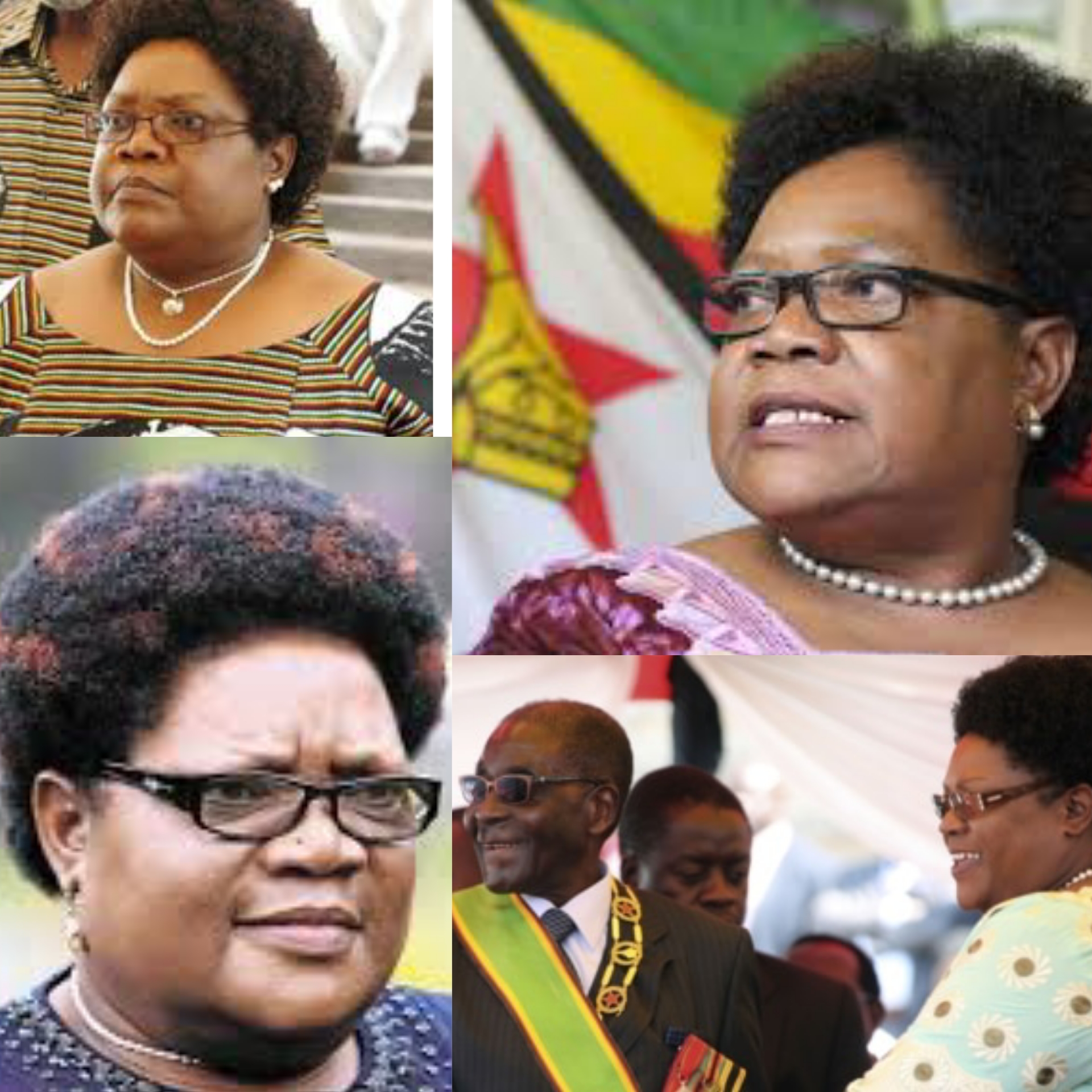
Joice Runaida Mujuru stands as a towering figure in Zimbabwean history, a testament to the resilience, determination, and political acumen of exceptional African women. Her journey, from a young revolutionary fighting for liberation to becoming the first female Vice President of Zimbabwe, is a compelling narrative of struggle, political maneuvering, and ultimately, unwavering commitment to her vision for her country. While her later political career has been marked by controversy and setbacks, her earlier achievements and impact on Zimbabwean politics firmly establish her as a role model, albeit a complex and multifaceted one.
A Revolutionary's Rise: Mujuru's early life was far from ordinary. Born in the Northeastern district of Mount Darwin, she defied societal expectations by joining the Rhodesian Bush War at the tender age of 18. Her bravery and military prowess quickly distinguished her. The widely circulated, though disputed, account of her shooting down a helicopter solidified her legend within the ZANLA forces. This narrative, regardless of its factual accuracy, powerfully symbolizes her daring and defiance in the face of a brutal colonial regime. Her rise through the ranks to become one of the first female commanders in ZANLA speaks volumes about her leadership capabilities and determination. Her nom de guerre, Teurai Ropa Nhongo ("Spill Blood"), reflects not only her fighting spirit but also her commitment to the cause of liberation. Her marriage to Solomon Mujuru, a prominent figure in ZANLA, further cemented her position within the revolutionary movement.
Political Prowess and Ministerial Roles: Following Zimbabwe's independence in 1980, Mujuru transitioned seamlessly from military commander to politician. She became the youngest cabinet minister, demonstrating a remarkable ability to adapt and excel in different spheres of influence. Her ministerial portfolios were diverse – from Community Development and Women's Affairs to Telecommunications and Rural Resources – showcasing her versatility and administrative skills. Even amidst the complexities of post-independence politics, including her controversial involvement in the Telecel licensing dispute with Strive Masiyiwa, Mujuru's political influence continued to grow.
Vice-Presidency and the Succession Struggle: Her appointment as Vice-President in 2004 marked a significant milestone, not only for Mujuru but for Zimbabwean women in politics. She became the first woman to hold this high office, breaking through a traditionally male-dominated political landscape. Her rise to the vice-presidency was partly facilitated by her husband's influence within ZANU-PF, but her own political maneuvering and cultivation of alliances were crucial factors in her success. The period between 2004 and 2014 witnessed Mujuru's active participation in the succession battle to succeed Robert Mugabe. Her efforts to garner support from various factions within the party, including the politburo, central committee, and the presidium, demonstrated her strategic political acumen and ambition. This ambition, however, ultimately led to her downfall.
Expulsion and Opposition Politics: Mujuru's expulsion from ZANU-PF in 2015 marked a dramatic turning point in her career. Accusations of plotting against Mugabe led to her removal from the party she had served for decades. Undeterred, she formed the Zimbabwe People First party, and later the National People's Party, solidifying her position in the opposition. This demonstrates her resilience and commitment to her political beliefs, even in the face of significant adversity. Her participation in the 2018 presidential election, albeit unsuccessfully, highlights her continued dedication to impacting Zimbabwean politics.
A Complex Legacy: Joice Mujuru's legacy is undeniably complex. While some may criticize her involvement in controversial decisions during her ministerial career and question the veracity of certain accounts of her revolutionary activities, her undeniable achievements remain significant. She remains a symbol of progress for Zimbabwean women and a compelling example of a woman who navigated the treacherous waters of Zimbabwean politics with remarkable resilience and determination. Her journey serves as a reminder of the challenges and opportunities faced by women striving for political power in a continent grappling with patriarchal structures and political instability. Ultimately, Mujuru’s story is one of both triumph and tribulation, leaving behind a complex and enduring legacy in Zimbabwean political history.


0 Comments