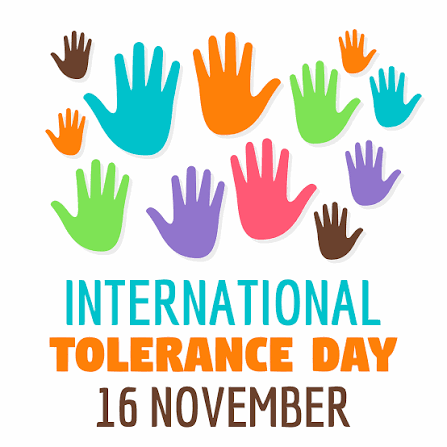
The United Nations declared 16 November the *International Day for Tolerance* in 1995, following the adoption of the UNESCO Declaration of Principles on Tolerance. The day aims to strengthen respect for diversity, promote mutual understanding, and combat discrimination, xenophobia, and hate‑speech worldwide.
Why Tolerance Matters (Globally) - Human Rights Foundation – Tolerance underpins the Universal Declaration of Human Rights; it fosters societies where differences are celebrated, not feared. - Social Cohesion – Inclusive communities experience lower conflict, higher trust, and better economic performance. - Global Challenges – Issues like migration, climate change, and digital misinformation require cooperation across cultures and beliefs.
Africa’s Context Africa is a mosaic of over 2 000 ethnic groups and 3 000 languages. Its history of colonial borders, post‑independence conflicts, and recent rapid urbanization make tolerance both a challenge and an opportunity.
- Positive examples - Ubuntu philosophy (South Africa, Kenya, Zimbabwe) emphasizes communal harmony and interdependence. - Interfaith traditions – Nigeria’s Christian‑Muslim coexistence, Senegal’s peaceful Sufi brotherhoods, and Ethiopia’s centuries‑old Christian‑Muslim dialogue. - Challenges - Ethnic and religious tensions – Kenya’s 2017 election violence, Nigeria’s farmer‑herder clashes, and the Central African Republic’s sectarian strife show how intolerance can flare. - Extremist ideologies – Groups like Boko Haram (Nigeria) and Al‑Shabaab (East Africa) exploit grievances to spread hate. - COVID‑19 backlash – Reports of stigma against certain ethnic or religious groups increased during the pandemic.
African Initiatives on Tolerance - African Union (AU): Launched the _African Year of Human Rights_ (2016) and adopted the _Protocol on the Rights of Women_ (Maputo Protocol), which includes provisions against discrimination. - Regional bodies: ECOWAS has a _Peace and Security Architecture_ that promotes dialogue and reconciliation in West Africa. - Civil Society: Organizations like African Tolerance Initiative (ATI) run school programs, community dialogues, and media campaigns to embed tolerance from a young age. - Policy examples: South Africa’s _Promotion of Equality and Prevention of Unfair Discrimination Act_ (2000) and Rwanda’s _Gacaca courts_ after the genocide illustrate legal and restorative approaches.
How to Observe the Day in Africa 1. Education & Dialogue – Host inter‑faith panels, cultural festivals, or storytelling sessions in schools and markets. 2. Media Engagement – Broadcast documentaries on historical moments of peaceful coexistence (e.g., Nelson Mandela’s reconciliation efforts). 3. Community Service – Volunteer in refugee camps, or organize clean‑up drives that bring together diverse groups. 4. Advocacy – Push for stronger anti‑discrimination laws and faster implementation of AU human‑rights instruments.
Bottom line: Tolerance is not just a moral ideal; it is a practical foundation for Africa’s security, development, and global partnership. By celebrating differences and confronting intolerance head‑on, African nations can turn diversity into a driver of progress.
_Want ideas for a local event in Lagos, Nairobi, or Dakar?_ I’m happy to help craft a plan that fits your community.


0 Comments