Every year on 18 February, Gambians celebrate Independence Day, a public holiday and National Day that marks the country’s freedom from British rule in 1965. It’s a day of reflection, national pride, and vibrant celebrations across the smallest nation on mainland Africa.
WAELE AFRICA Foundation extends its warmest congratulations to the people of The Gambia on the 61st anniversary of their Independence Day. We wish the nation continued peace, prosperity, and happiness in the years ahead.
A Glimpse into History The Gambia’s story with Europe began in the mid-15th century when Portuguese explorers arrived, seeking trade routes. Over time, the region became a key hub in the transatlantic slave trade. By the late 16th century, trade rights were transferred to the British, sparking a long tussle for control between Britain and France.
Interestingly, part of The Gambia even fell under Latvian control for a brief period in the 17th century. It wasn’t until 1889 that Britain and France defined its current borders, and in 1894, The Gambia officially became a British protectorate.
Road to Independence Political awareness grew in the 1950s, leading to the emergence of local parties. The 1960 elections, held under a new constitution, saw the rise of the People’s Progressive Party (PPP), led by Dawda Jawara. By 1962, the PPP had become the dominant political force.
In July 1964, agreements between the British and Gambian governments set the stage for independence. On 18 February 1965, The Gambia became a constitutional monarchy, with Queen Elizabeth II as head of state, represented locally by a governor-general, and Dawda Jawara as its first Prime Minister.
Did You Know? The Gambia is one of only two countries (the other being The Bahamas) whose official short name includes “The.” According to then-Prime Minister Dawda Jawara, the “The” was intentionally kept to avoid confusion with Zambia.
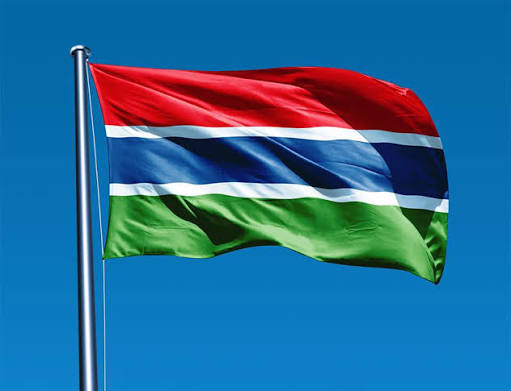
Today, Independence Day is marked with flag-raising ceremonies, cultural performances, and speeches that honor the nation’s journey and its hopes for the future.



0 Comments