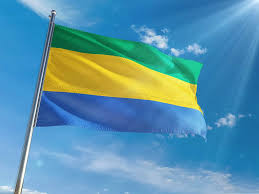
Independence Day is a public holiday in Gabon celebrated on August 16th and 17th. These dates, following Assumption Day on August 15th, create a three-day weekend. This national day commemorates Gabon's independence from France on August 17th, 1960.
Celebrations are widespread and typically last two days, featuring official speeches, parades, drum shows, traditional dances, and fireworks at La Place de Fetes. Families and friends gather to enjoy traditional foods like nyembwe, fufu, atanga, and bread.
WAELE AFRICA Foundation extends its warmest congratulations to the people of Gabon 🇬🇦 on their Independence Day. We wish the nation continued peace, prosperity and happiness.
A Look Back: Gabon's Journey to Independence
The Portuguese were the first Europeans to arrive in Gabon in the late 15th century, naming the Como River estuary "gabão" (cloak) due to its shape. The French followed, initially drawn by the slave trade. By 1839, coastal rulers ceded sovereignty to France. Pierre Savorgnan de Brazza's expeditions from 1875 onwards expanded French control, culminating in the founding of Franceville in 1880 and the official occupation of Gabon in 1885. In 1910, Gabon became one of four colonies within French Equatorial Africa.
Gabon gained some autonomy during the Fourth French Republic (1946-1958), becoming an overseas territory with its own assembly and representation in the French Parliament. In 1958, it voted to become an autonomous republic within the French Community. Finally, on **August 17th, 1960**, Gabon declared its independence, joining the other three territories of French Equatorial Africa in achieving freedom that August. Léon M'ba became Gabon's first president in 1961. France's continued relationship with Gabon after independence was partly shaped by Gabon's uranium reserves, crucial to France's nuclear program.



0 Comments