Empowering Women and Children in Africa: Addressing Humanitarian Issues and Implementing Sustainable Solutions
August 25, 2024
Empowering Women and Children in Africa: Addressing Humanitarian Issues and Implementing Sustainable Solutions
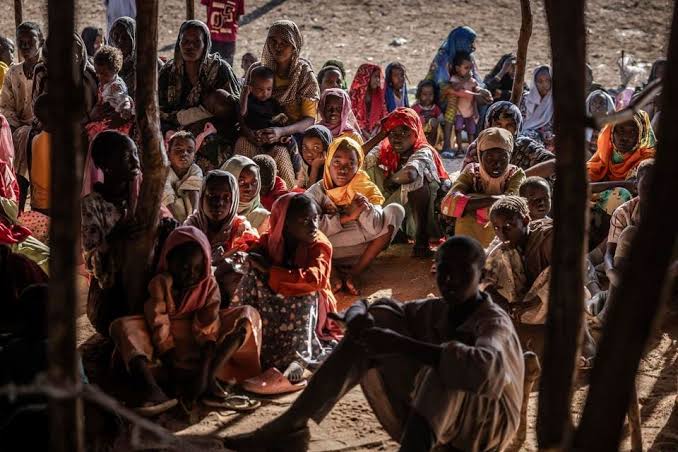
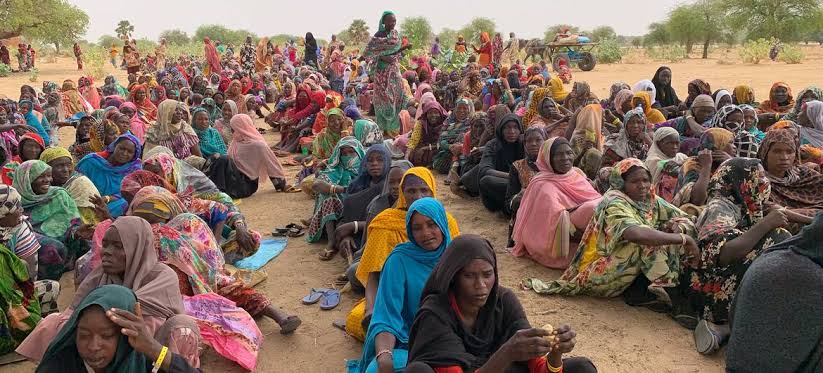
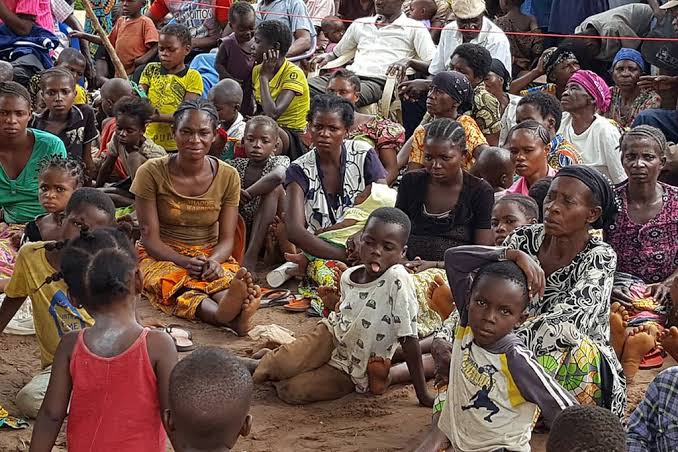
Africa is a continent that has long been plagued by humanitarian issues, particularly when it comes to the well-being of women and children. From lack of access to basic healthcare and education to child marriage and female genital mutilation, women and children in Africa face a myriad of challenges that hinder their ability to thrive and reach their full potential.
One of the most pressing issues facing women and children in Africa is the lack of access to quality healthcare. Many women do not have access to prenatal care, leading to high rates of maternal mortality. In addition, diseases such as HIV/AIDS, malaria, and tuberculosis are rampant in many African countries, further exacerbating the health crisis. Children are also at risk, with high rates of malnutrition and preventable diseases such as measles and pneumonia taking a toll on their health.
Education is another key issue for women and children in Africa. Many girls are not given the same opportunities for education as boys, leading to high rates of illiteracy and a lack of economic empowerment for women. Child marriage is also a major issue, with many girls forced into marriages at a young age, cutting short their education and putting them at risk of early pregnancy and maternal mortality.
Violence against women and children is another significant concern in Africa. Gender-based violence, including domestic violence and sexual assault, is rampant in many countries, with few legal protections for victims. Female genital mutilation is also a widespread practice in some African cultures, putting girls at risk of infection, infertility, and other long-term health consequences.
Despite these challenges, there are solutions to address the humanitarian issues facing women and children in Africa. One key solution is to invest in healthcare infrastructure and training for healthcare workers, particularly in rural areas where access to medical care is limited. This can help reduce maternal mortality rates and improve overall health outcomes for women and children.
Education is also crucial in addressing humanitarian issues in Africa. By investing in girls' education and promoting gender equality in schools, we can empower women and girls to advocate for their rights and access economic opportunities. Providing vocational training and entrepreneurship programs for women can also help them become financially independent and escape cycles of poverty.
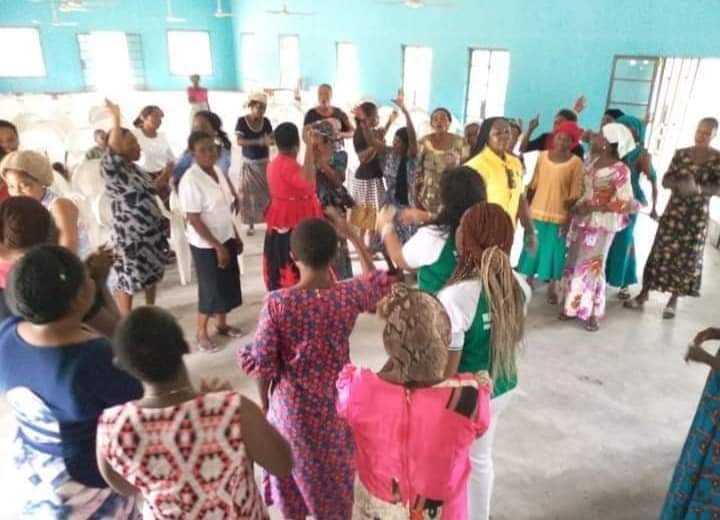
Preventing violence against women and children requires a multi-faceted approach, including implementing laws and policies to protect victims, providing support services for survivors, and promoting gender equality and social norms that reject violence. Community-based initiatives, such as women's empowerment groups and youth mentorship programs, can also help prevent violence and support survivors.
In conclusion, addressing the humanitarian issues facing women and children in Africa requires a comprehensive and multi-dimensional approach. By investing in healthcare, education, and efforts to prevent violence, we can ensure that women and children in Africa have the opportunity to thrive and reach their full potential. It is crucial that governments, non-governmental organizations, and the international community work together to support women and children in Africa and build a more inclusive and equitable society for future generations.


0 Comments