Arit Sunday Ambit
1 year agoI will appreciate if I could get the empowerment please
Reply
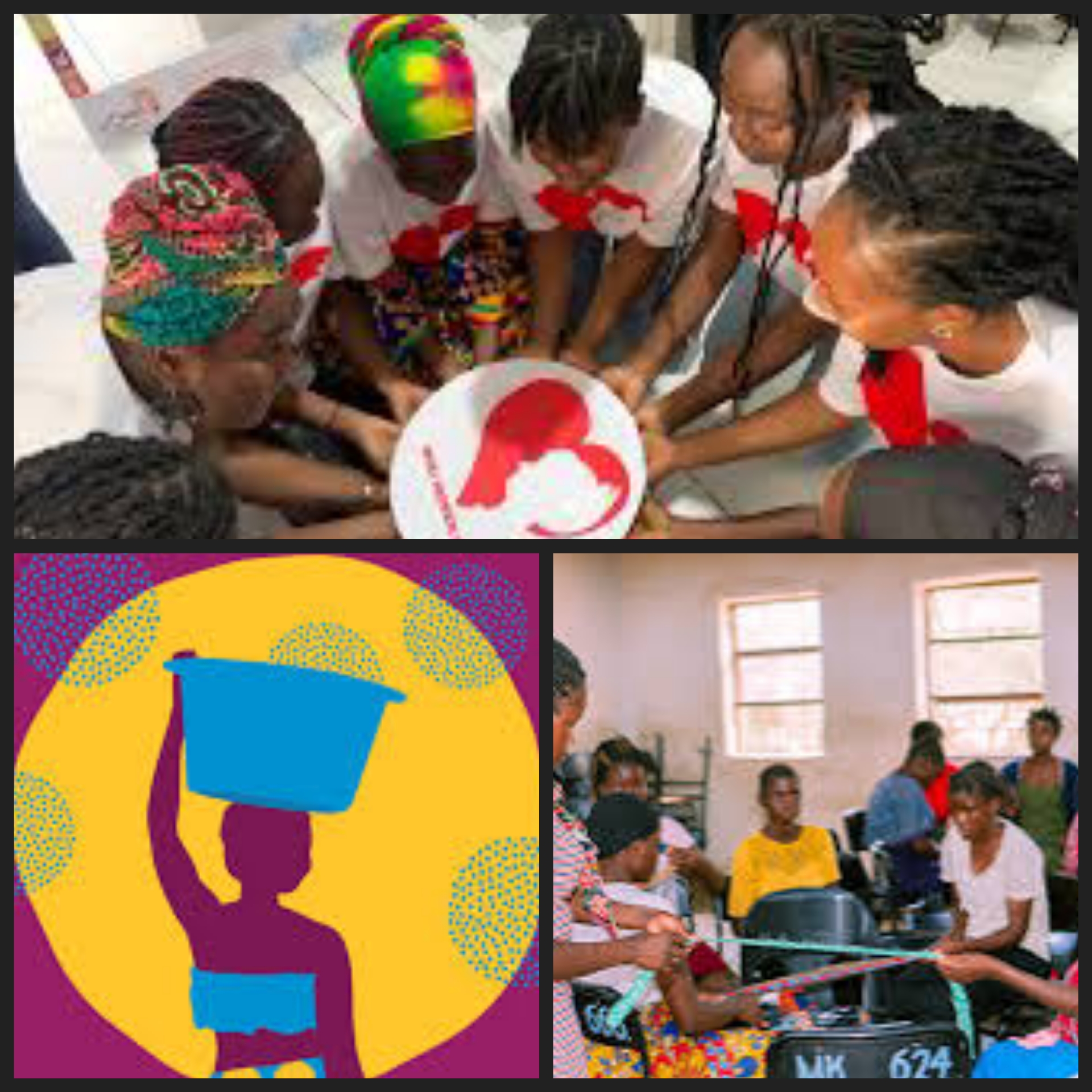
Empowering African Women: Lessons from Developed Nations
The disparity in women's capital development and empowerment between developed and developing nations is stark, particularly in Africa. While the complexities of gender inequality are multifaceted, there are observable differences in access to education, economic opportunities, political representation, and overall well-being. This feature explores these differences, acknowledging the inherent diversity within both categories.
Developed Nations: Fostering a Foundation
Developed nations generally exhibit higher levels of women's empowerment, underpinned by several factors:
Education and Literacy: Access to quality education, encompassing both primary and higher levels, is more widespread. This empowers women with critical thinking skills, knowledge, and the ability to pursue diverse career paths.
Economic Opportunities: Established economies offer a wider range of employment opportunities, including professional roles and higher-paying jobs, enabling women to participate fully in the workforce and achieve financial independence.
Legal Frameworks and Policies: Robust legal frameworks and supportive policies, like equal pay laws and childcare provisions, protect women's rights and promote gender equality in various aspects of life.
Political Participation: Developed nations often have mechanisms in place to encourage women's participation in politics and leadership positions. This translates into a stronger voice for women in decision-making processes.
Developing Nations in Africa: Challenges and Opportunities
In contrast, developing nations in Africa face unique challenges:
Limited Access to Education: Poverty, cultural norms, and lack of infrastructure can significantly restrict access to quality education for girls and women. This limits their potential and perpetuates the cycle of inequality.
Limited Economic Opportunities: The lack of job opportunities, particularly in higher-skilled sectors, often limits women's financial independence. Traditional gender roles and responsibilities can further restrict their options.
Gender-Based Violence and Discrimination: Societal norms and cultural biases often lead to significant gender-based violence and discrimination against women, hindering their progress in all aspects of life.
Insufficient Legal Frameworks: Weak legal frameworks and enforcement mechanisms can fail to adequately protect women's rights and interests, perpetuating systemic gender inequalities.
Critical Nuances and Considerations:
It's crucial to acknowledge that the narrative is not monolithic. Within both developed and developing nations in Africa, there's immense variation:
Social Norms and Cultural Practices: Traditional gender roles and societal expectations differ considerably across various communities, often posing significant obstacles to women's empowerment, even in developed nations.
Regional Variations: The levels of women's empowerment differ significantly across regions within Africa, depending on factors like political stability, economic development, and cultural nuances.
Internal Diversity: Within developed nations, not all women experience equal opportunities. Factors such as race, ethnicity, and class can create further disparities.
The Path Forward:
Instead of focusing solely on perceived differences, a more effective approach involves recognizing and tackling the underlying structural causes of inequality in developing nations. This includes:
Investing in Education: Prioritizing education for girls and women is essential to unlocking their potential.
Promoting Economic Opportunities: Creating opportunities for women's economic participation, such as vocational training and small business support, is crucial.
Strengthening Legal Frameworks: Developing and enforcing strong legal frameworks that protect women's rights is paramount.
Addressing Gender-Based Violence: Implementing programs and policies that address and combat gender-based violence and discrimination is vital.
Empowering Women in Leadership: Creating opportunities for women to participate in decision-making processes is key to driving progress.
Conclusion:
While developed nations generally offer a more conducive environment for women's empowerment, the disparity underscores the urgent need for targeted interventions and sustainable development strategies within developing nations in Africa. Addressing the root causes of inequality, fostering partnerships, and promoting inclusive policies are critical steps toward achieving genuine gender equality and unlocking the full potential of women everywhere.

1 Comments