Disarmament Week (24‑30 Oct) – What it is and why Africa feels the impact
October 27, 2025
Disarmament Week (24‑30 Oct) – What it is and why Africa feels the impact
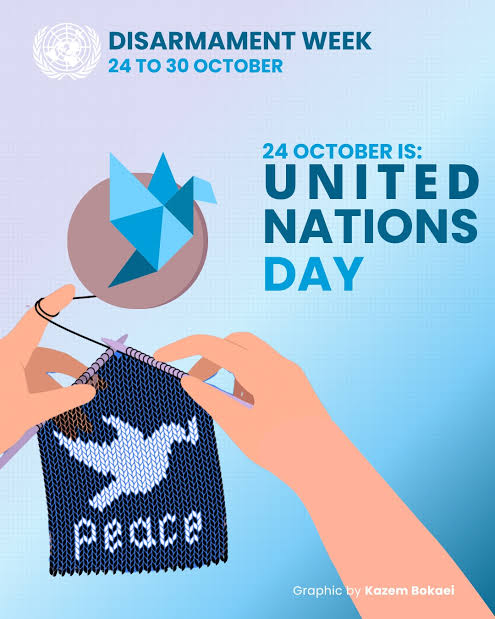
Disarmament Week is the United Nations’ annual observance from 24 to 30 October, launched by the General Assembly in 1978 to spotlight the dangers of weapons—especially nuclear, chemical and conventional arms—and to rally global action for their reduction or elimination . The week coincides with the UN’s founding date (24 Oct 1945) and is run by the UN Office for Disarmament Affairs (UNODA).
How the week unfolds - Awareness events – conferences, seminars, exhibitions and public rallies in member states and NGOs worldwide. - Key pillars (Secretary‑General’s Agenda for Disarmament, 2018) – saving humanity from nuclear weapons, saving lives from conventional arms, securing future generations, strengthening partnerships and integrating disarmament into the 2030 Sustainable Development Goals (SDGs) . - Themes for 2024 – no official theme announced yet, but past focus has been on revitalising institutions, women’s full participation, youth engagement and regulating emerging tech like autonomous weapons and AI‑controlled systems .
Africa’s stake 1. Weapons flows & civilian harm Sub‑Saharan Africa sees massive illicit small‑arms trafficking that fuels civil wars, terrorism and gender‑based violence. In North Darfur, for example, children collect bullets from the ground—a stark image shared by UNODA to illustrate the everyday reality of arms proliferation . Disarmament Week shines a light on these flows and pushes governments to tighten controls under instruments like the Arms Trade Treaty (ATT).
2. Nuclear‑weapon‑free zones Africa already hosts several zones—e.g., the Treaty of Pelindaba (African Nuclear‑Weapon‑Free Zone) ratified by most AU members. The week re‑energises commitment to keep the continent free of nuclear stockpiles and to report compliance.
3. Resource reallocation UNODA stresses that money saved from arms can be redirected to health, education and infrastructure—sectors lagging in many African economies. The SDG linkage means successful disarmament can accelerate progress on SDG 3 (health), SDG 4 (education) and SDG 8 (decent work) across the region ¹.
4. Youth & civil‑society mobilisation African NGOs are invited to host debates, film screenings (e.g., CNN’s Cold War documentary) and social‑media campaigns using #DisarmamentWeek. This empowers students in Lagos, Nairobi or Accra to advocate locally for policy change.
5. Challenges Geopolitical tensions, arms‑race dynamics with external powers, and limited institutional capacity in some states hinder swift action. Yet the week provides a diplomatic platform for dialogue and for showcasing success stories—e.g., Rwanda’s progress on SDG localisation dovetailing with disarmament efforts.
Quick takeaways - Dates: 24‑30 October 2025 (same window every year). - Africa focus: illicit small arms, nuclear‑free zones, redirecting military spend to development, youth activism. - Participate: attend UNODA webinars, organise a school debate, share stats on social media with #DisarmamentWeek.
Want ideas on hosting a campus event in Lagos or tips for a compelling social‑media post? Let me know—I’m happy to help craft something that resonates with African audiences.


0 Comments