Ojo Bridget
2 years agoWow this is very Impressive keep it up ma'am you are blessed We thank the Founder President for this very great opportunity given to us
Reply
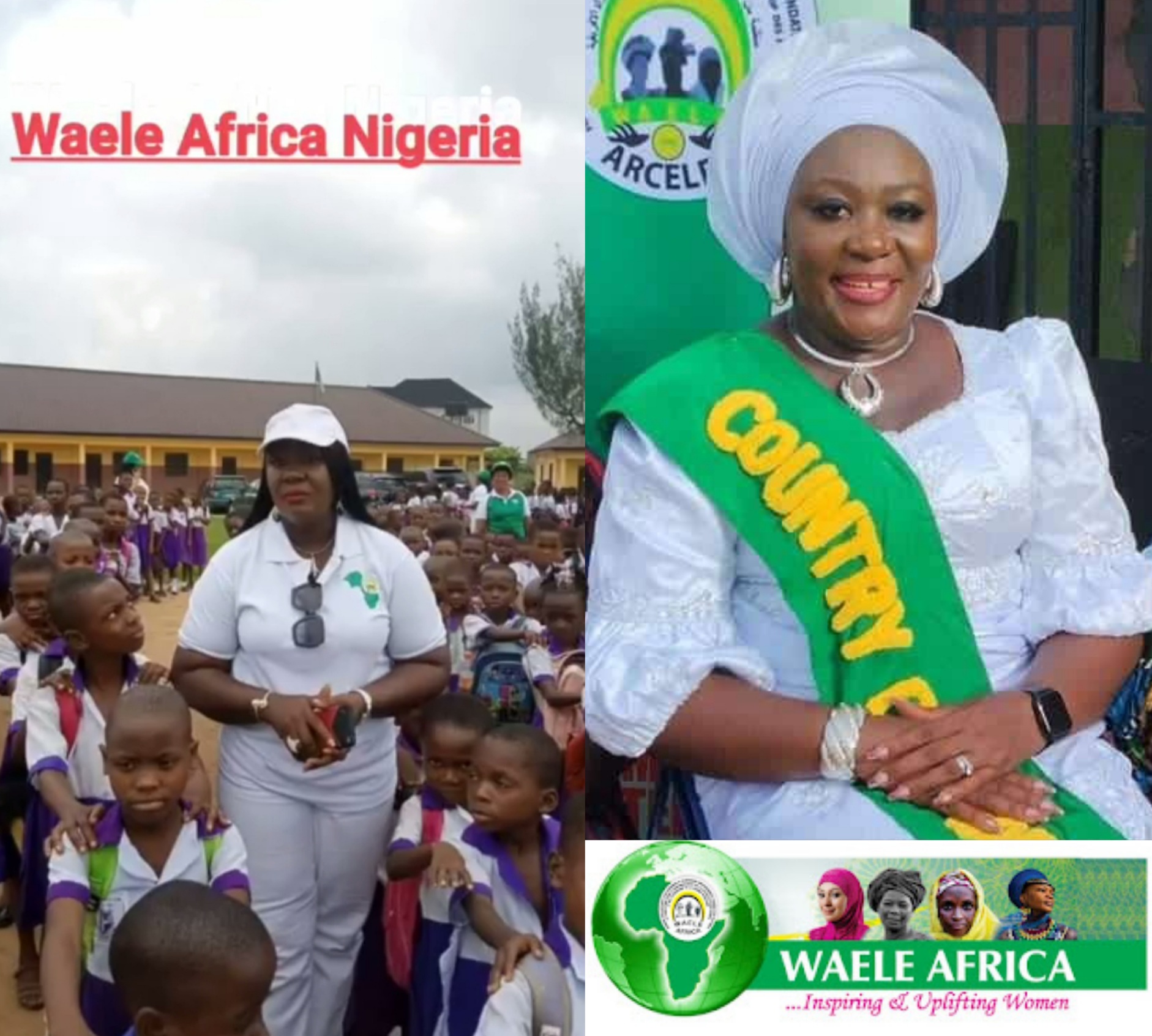
Dedicated Princess Uduak Abai: Leading the Way to a Brighter Future With WAELE AFRICA Foundation
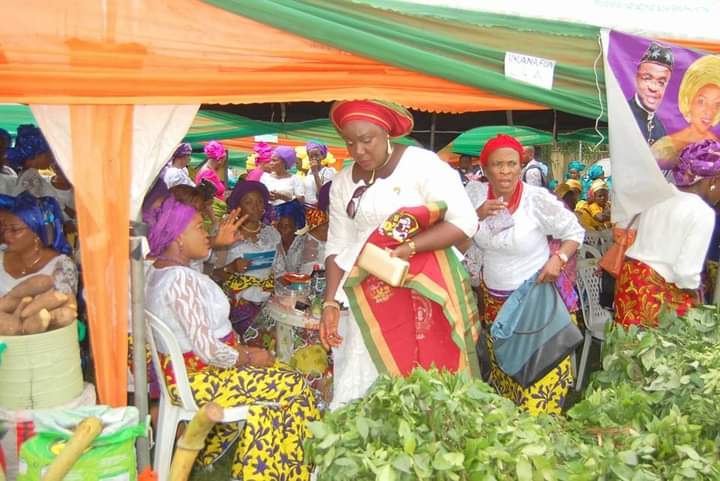
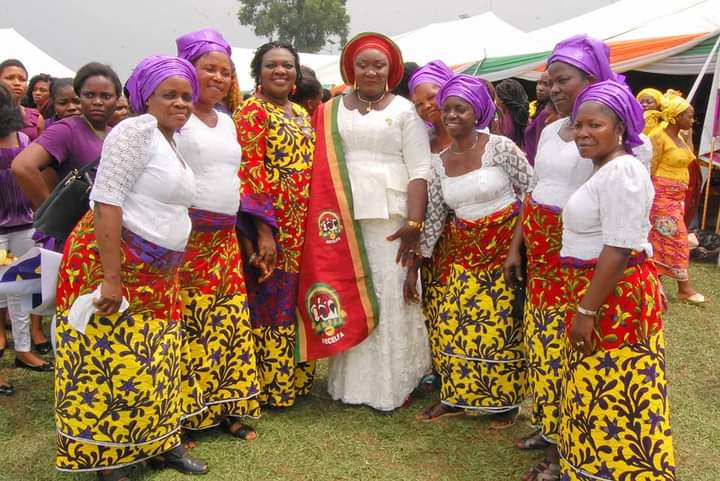
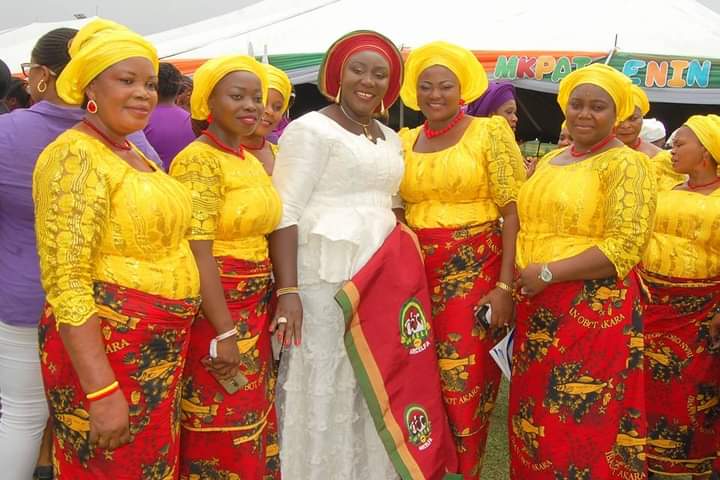
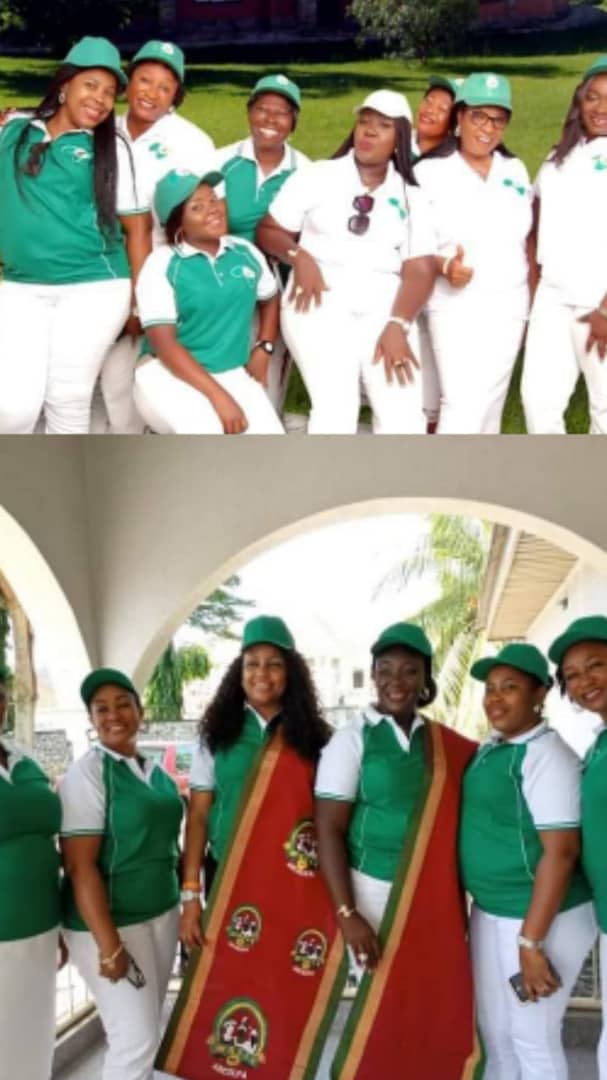
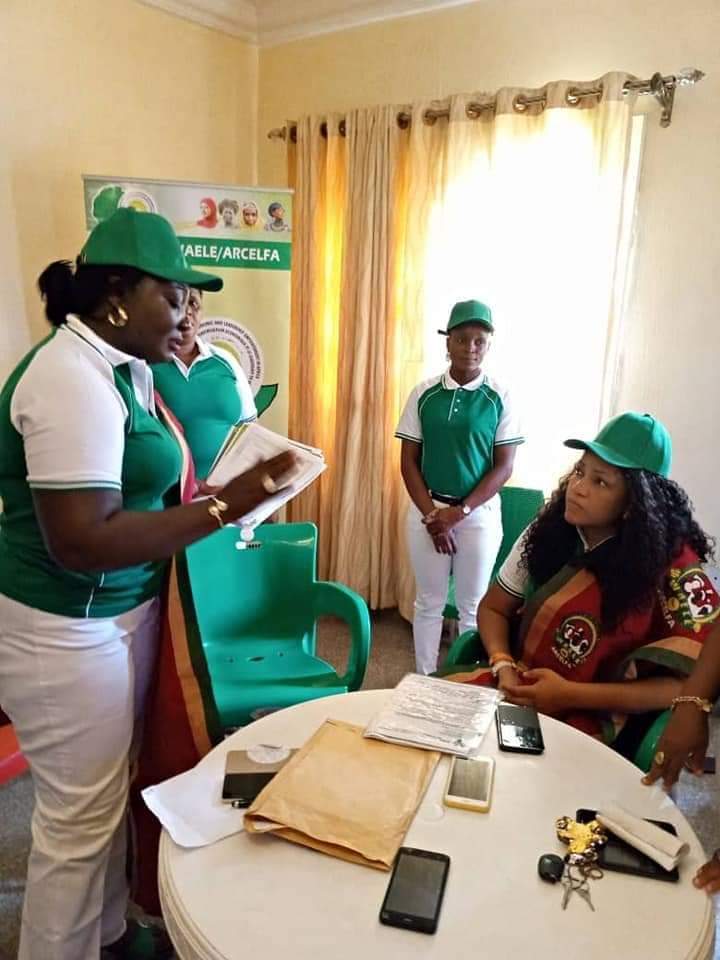
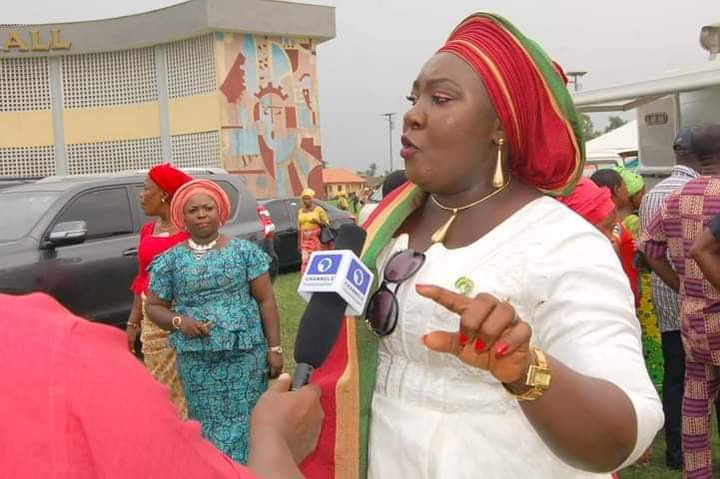
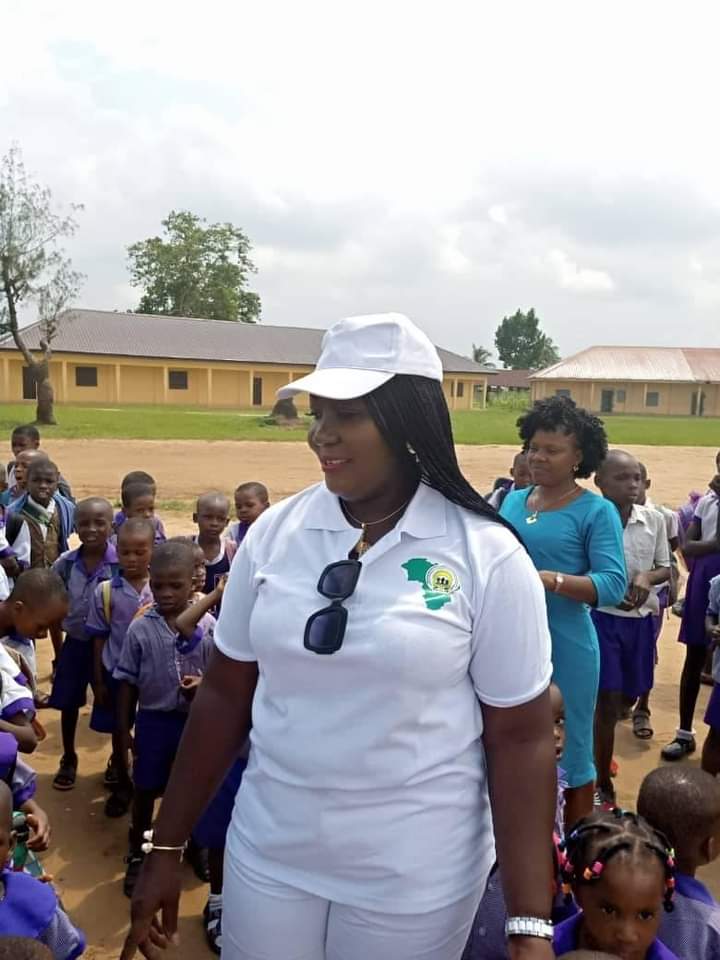
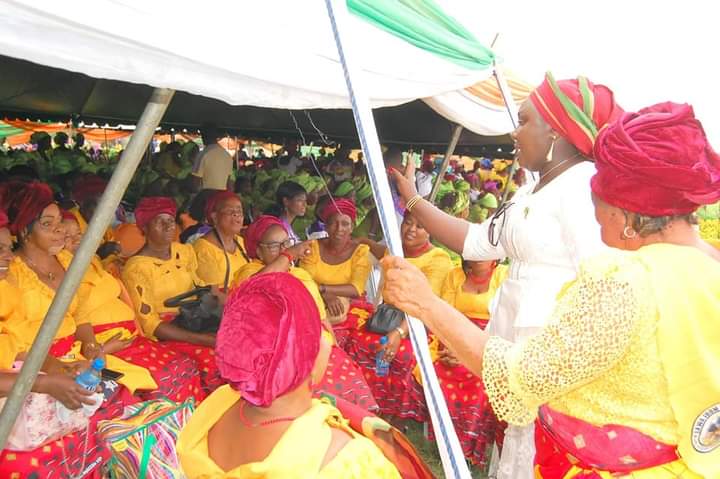
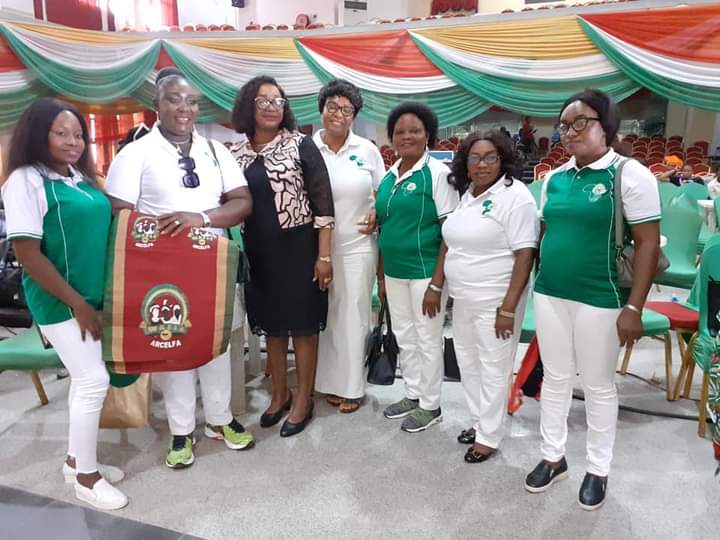
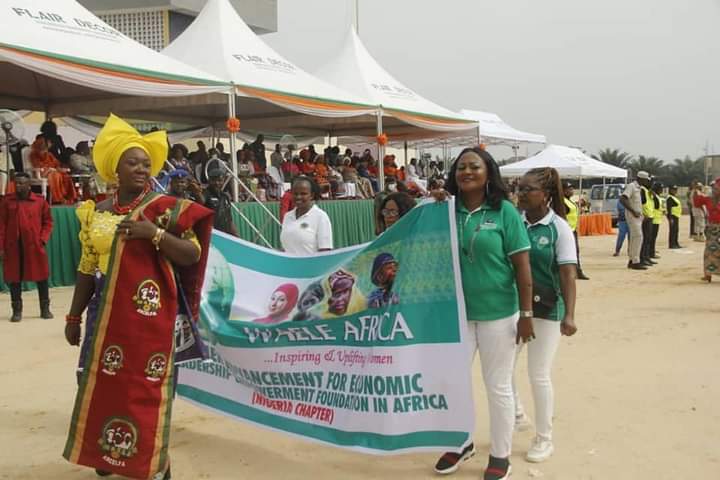
Princess Uduak Abai is a shining example of dedication and commitment to her community in Akwa Ibom State. As the chapter coordinator and national coordinator of the WAELE AFRICA Foundation in Nigeria, she has tirelessly worked to support and uplift her people. Her hard work and sacrifices demonstrate her unwavering commitment to ensuring the success and well-being of those around her.
A truly compassionate and caring individual, Princess Uduak Abai carries out her responsibilities with a genuine love for her work and the people she serves. Her loyalty to the WAELE AFRICA Foundation and her community is evident in her tireless efforts to make a positive impact and create opportunities for growth and advancement. She is a beacon of hope and inspiration, showing others the power of selflessness and service to others.
Through her leadership and dedication, Princess Uduak Abai has become a respected and beloved figure in her community. Her passion for making a difference and her commitment to supporting those in need have earned her the trust and admiration of many. With her caring heart and determination,
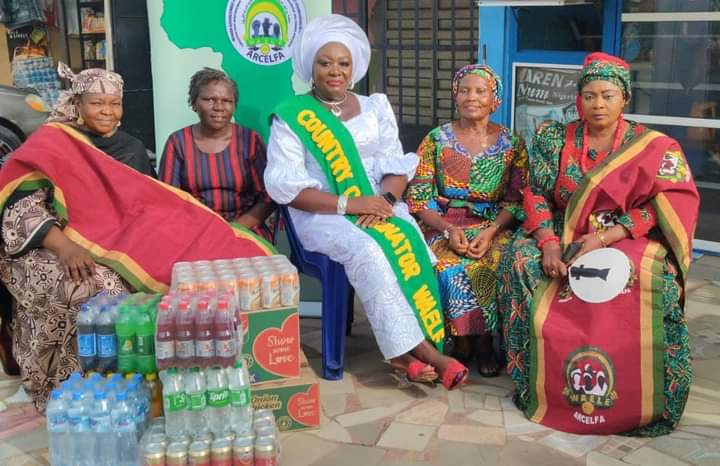
》What are some success stories or achievements of WAELE AFRICA Foundation in advancing the rights of women and girls in Nigeria?
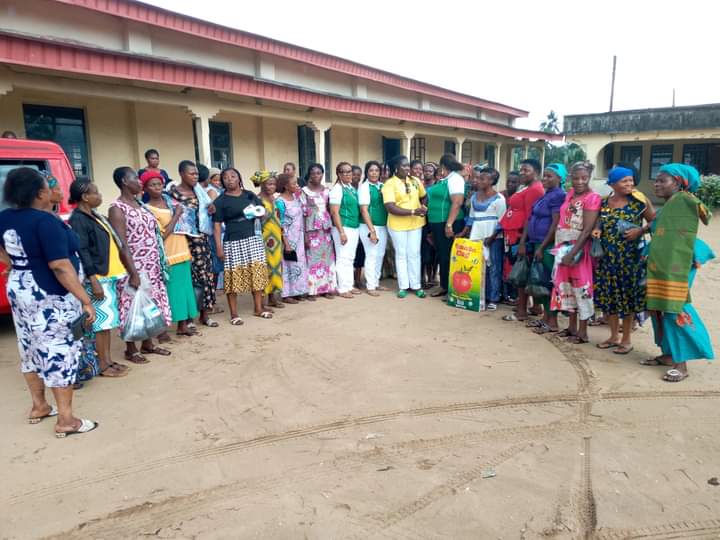
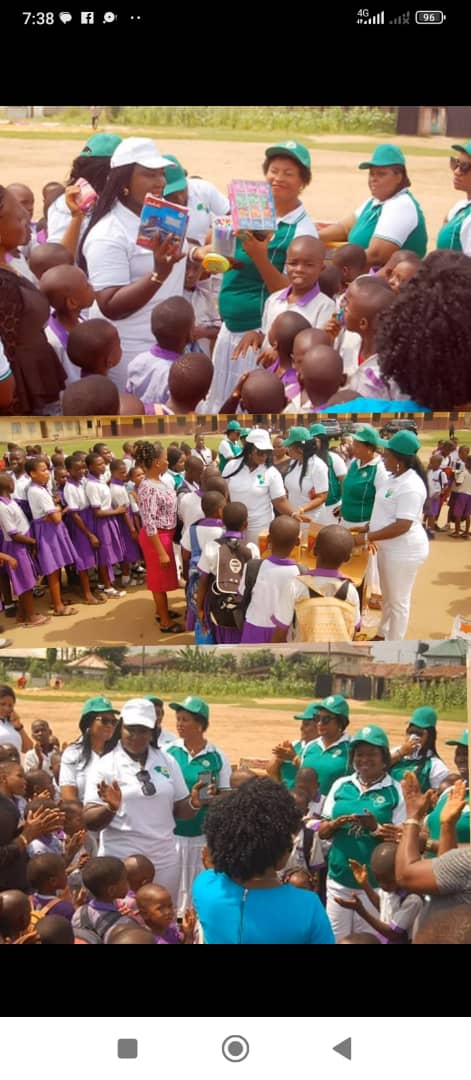
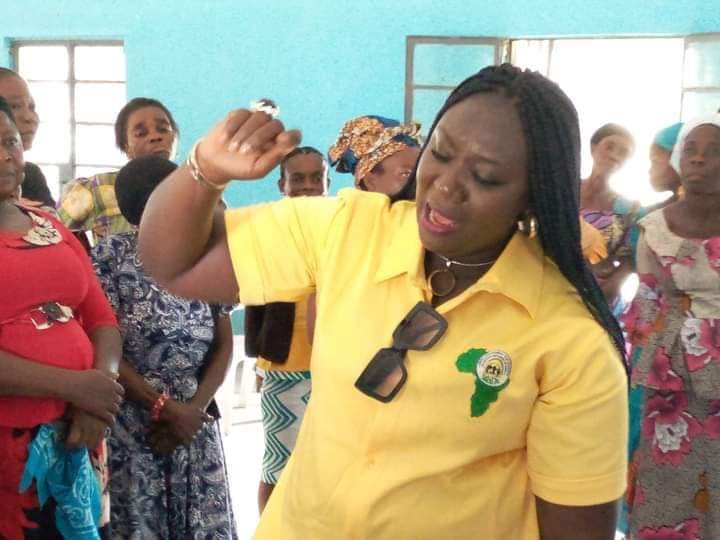
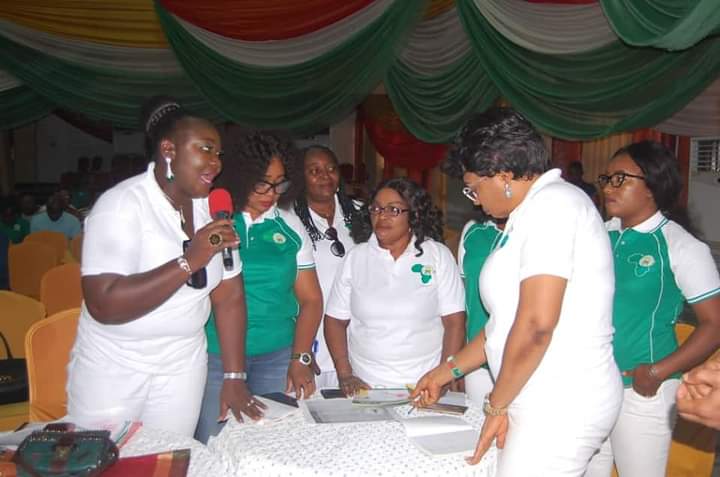
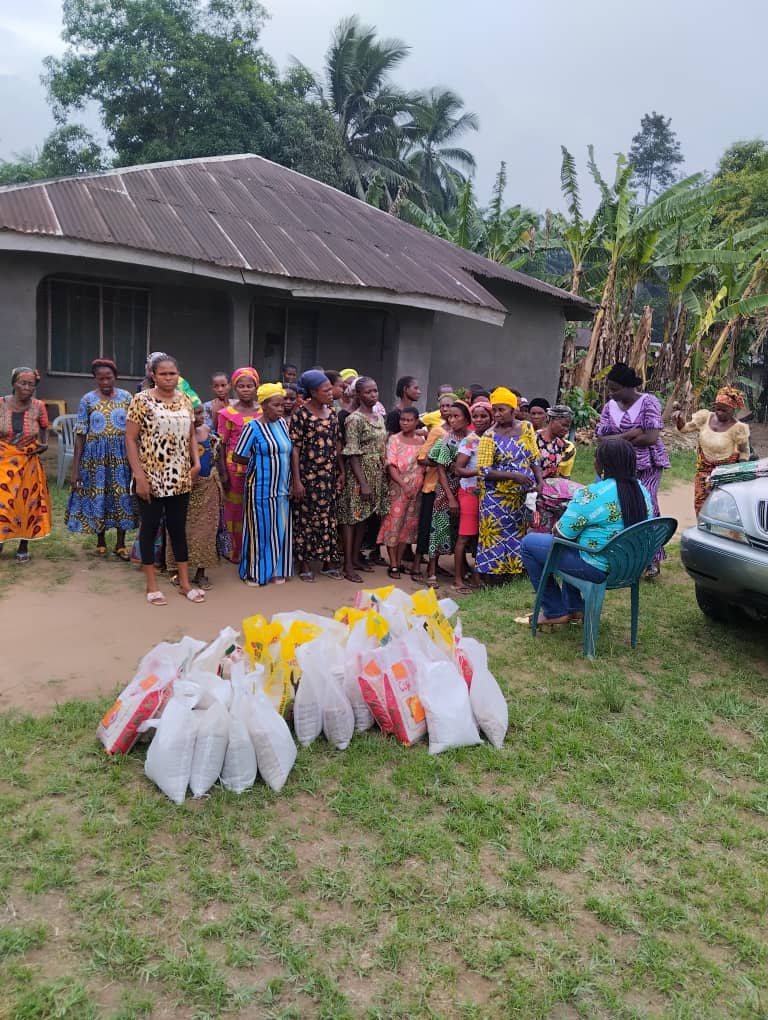
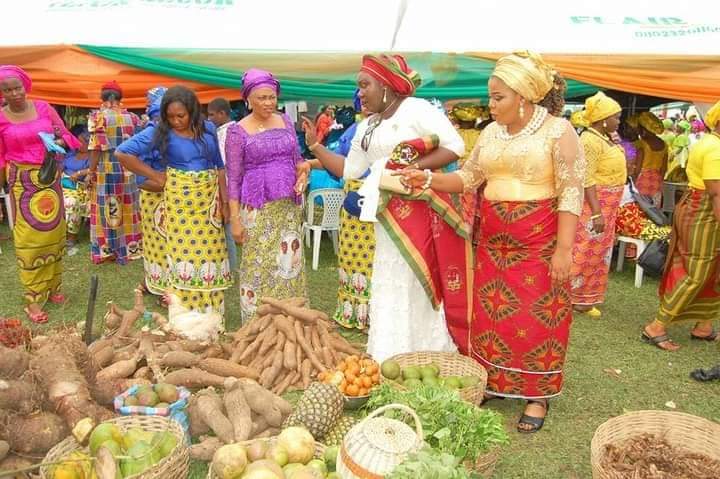
Princess Uduak>> WAELE AFRICA Foundation has recorded numerous success stories in advancing the rights of women and girls in Nigeria through a variety of impactful initiatives. One notable aspect of their achievements is in the area of empowerment, where women are provided with valuable training in skills acquisition both within the country and beyond its borders. This strategic approach has not only empowered these women but has also contributed to their economic independence.
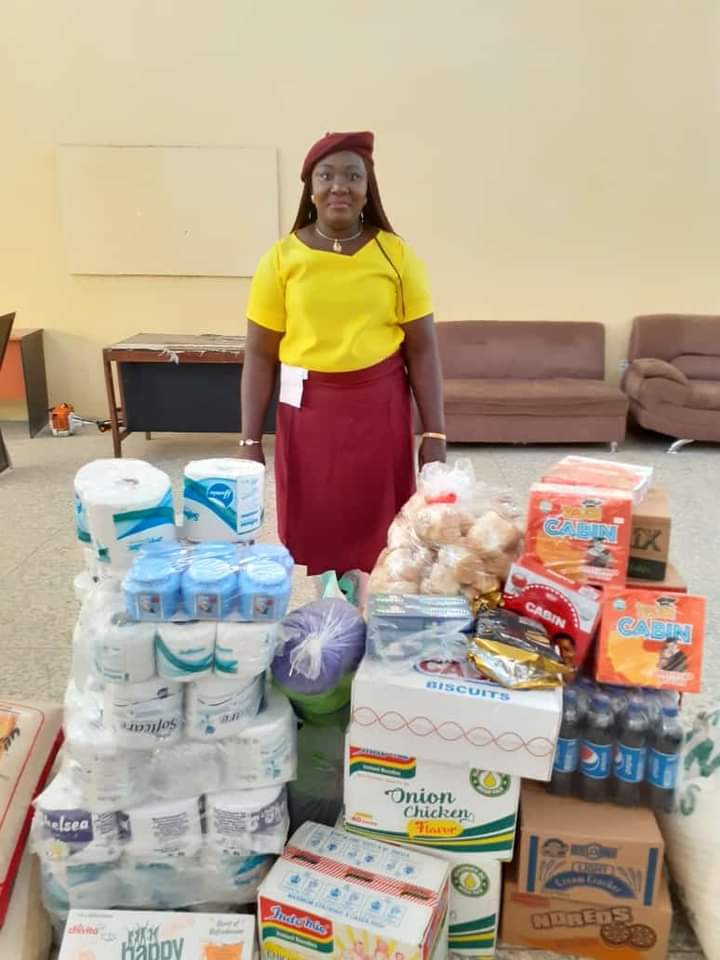
Furthermore, the frequent empowerment programs organized by WAELE AFRICA Foundation in Nigeria and other African countries have significantly propelled the momentum for women's rights across the continent. A particularly commendable example is the provision of high-quality equipment, such as Cassava processing machines, Palm oil Processing machines, Sewing machines with generators, all brand new, in Akwa IBOM State. The organization's dedication to empowering women also extends to financial support, as evidenced by cash donations aimed at expanding the businesses of women in regions like Cross River and Benue. The commitment to skills acquisition training involving members from various states in Nigeria and beyond underscores WAELE AFRICA's impact in different regions of Africa.
》What partnerships or plans for collaborations does WAELE AFRICA Foundation have with other organizations or stakeholders to further its work in Nigeria?
Princess Uduak>> My President and Founder of WAELE AFRICA Foundation, handles this aspects of partnership and plans as a leader who's dedicated to advancing the rights and opportunities of women and girls throughout Africa, not just in Nigeria. Through passionate leadership and unwavering commitment, she collaborates with numerous organizations and stakeholders to implement policies and initiatives that promote the dignity and protection of women and girls across the continent. These partnerships and collaborations are instrumental in amplifying the Foundation's impact and reach, ensuring that women and girls have equal opportunities and are respected in various communities across Africa. The leader's tireless efforts to work with a diverse range of agencies and partners demonstrate a holistic approach to advocating for gender equality and empowerment in the region.
》What are some of the key challenges faced by women and girls in your community today?
Princess Uduak>> In our community, women and girls face numerous challenges, particularly in the realm of education. One significant issue is the traditional mindset that prioritizes sending male children to school over females. Often, families will postpone or even deny the education of girls until their male counterparts have completed their studies, even if the girls are older and eager to learn.
Another major challenge revolves around land ownership. In many cases, women and girls are excluded from owning or accessing land for farming or business endeavors. Land ownership is often a privilege reserved solely for male children, perpetuating a system where women have limited control over valuable resources. Even if a woman has the financial means to purchase land, she may still require a man's approval or signature for the transaction to proceed due to societal norms and legal restrictions.
Moreover, the legal landscape in our community is not always favorable to women's rights and empowerment. Certain laws undermine women's autonomy and ability to advocate for themselves in critical situations. For instance, the restriction that only men can bail someone out of police custody restricts women from accessing this basic right, further illustrating the systemic barriers that limit women's ability to assert their independence and secure their entitlements
》What does cultural and traditional practices impact the rights and opportunities of women and girls in Nigeria?
Princess Uduak>> In my own domain, which encompasses Akwa Ibom and Cross River States, there is a prevailing cultural practice where the first female child is expected to assume the responsibility of taking care of the family. This expectation often requires significant sacrifices on the part of women, who must prioritize the well-being of their families while men may remain detached from familial obligations. This cultural norm displaces traditional gender roles and can restrict women's personal growth and opportunities.
Furthermore, many cultural and traditional practices across Nigeria tend to privilege men over women, perpetuating inequalities in various aspects of life. Certain locations prohibit women and girls from participating in specific activities or gatherings due to cultural taboos and restrictions, limiting their freedom of movement and expression. These restrictions reinforce gender stereotypes and hinder women's ability to fully engage in social and community activities.
One specific example of how culture and tradition impact the rights and opportunities of women and girls is the prohibition against women and girls breaking kolanut in public gatherings. This restriction symbolizes the broader limitations imposed on women in terms of social participation and visibility, highlighting the pervasive influence of cultural norms that hinder women's empowerment and equality.
》How does gender-based violence manifest in Nigeria and what strategies are being used to combat it?
Princess Uduak>> Gender-based violence (GBV) manifests prominently in Nigerian marriages, where men often assert their perceived superiority over women, even in cases where the women are the primary breadwinners. This imbalance of power leads to situations of violence and oppression against women. One strategy utilized to combat GBV is counseling provided by elderly community members or government-approved institutions, which aims to address harmful beliefs and behaviors and promote gender equality and respect within relationships. Through targeted interventions and support systems, efforts are being made to challenge and eradicate the root causes of gender-based violence in Nigeria.
》In what ways are women and girls in Nigeria disproportionately affected by poverty and lack of access to education and healthcare?
Princess Uduak>> Women and girls in Nigeria often bear the brunt of poverty and limited access to education and healthcare, as these factors significantly impact their lives. Poverty can hinder parents from providing equal opportunities for their children, leading to a preference for male children over females, despite the latter's potential and intelligence. Education is a critical determinant of success and empowerment, with educated individuals more likely to prioritize equal treatment and opportunities for all children, regardless of gender. This disparity in access to education and resources poses a significant challenge for the advancement and well-being of women and girls in Nigeria.
How do societal attitudes and stereotypes about gender roles contribute to the marginalization of women and girls in Nigeria?
Princess Uduak>> Gender roles are the expectations and behavior expected of people because of their gender. These expectations come from societal attitude and stereotypes.
Societal attitudes and stereotypes play a significant role in perpetuating the marginalization of women and girls in Nigeria through the reinforcement of traditional gender roles. These expectations dictate how individuals should behave based on their gender, with women typically expected to embody qualities of politeness, nurturing, and homemaking, while men are often pressured to display traits of aggression and emotional restraint. These rigid gender roles not only limit the opportunities available to women but also shape societal perceptions of suitable professions, with women pushed towards nurturing roles like teaching and nursing, while men are encouraged to pursue careers in fields deemed more intellectually or physically demanding. This segregation of roles is exemplified in political spheres such as the Akwa Ibom State House of Assembly, where only four female legislators are compared to 22 male counterparts, underscoring the broader implications of gender biases in governance and representation. Despite these entrenched stereotypes, there have been efforts in Nigeria to address gender disparity, including the introduction of measures like the 35% affirmative action to promote greater gender equality in various sectors of society.
》How does the Nigerian legal system protect and enforce the rights of women and girls, particularly in cases of domestic violence and discrimination?
Princess Uduak>> Answer: The Nigerian legal system has established a comprehensive framework aimed at protecting and enforcing the rights of women and girls, particularly in cases of domestic violence and discrimination. Key components of this legal infrastructure include provisions outlined in the 1999 Constitution, such as Section 34 which grants every individual the right to dignity and protection against torture or inhuman treatment. Additionally, Section 42 of the Constitution explicitly prohibits all forms of discrimination, including gender-based discrimination, ensuring equal rights for all Nigerian citizens regardless of their background. Furthermore, the Violence Against Person's (Prohibition) Law, also known as the VAPP Law 2020, serves as a critical tool in combating various forms of violence against women and children, encompassing physical, sexual, emotional, economic, and political violence, with specific penalties outlined for offenses like rape, spousal battery, and political violence.
In parallel, the Child Rights Law of 2023 provides additional safeguards for the rights of the girl child, underscoring the government's commitment to protecting vulnerable segments of the population. This legislation defines a child as an individual between the ages of 0 and 18, setting forth measures to prevent child labor and ensure access to free and compulsory education. Despite the existence of these protective laws, challenges persist in their effective enforcement and implementation, with barriers such as religious and cultural biases, inadequately trained law enforcement agencies, and economic constraints hindering the full realization of legal protections for women and children in Nigeria.
》What are the main priorities or focus areas for WAELE AFRICA Foundation in the coming years in terms of advancing the rights and opportunities of women and girls in Nigeria?
Princess Uduak>> In the coming years, WAELE AFRICA Foundation aims to prioritize initiatives that address the holistic well-being and empowerment of women and girls in Nigeria, focusing on both psychological and practical aspects. Through strategic planning, the Foundation is dedicated to combatting feelings of boredom and inadequacy among women, with the goal of fostering independence and resilience. By providing opportunities for skill development, entrepreneurship, and personal growth, WAELE seeks to empower women to become self-sufficient and actively engaged in decision-making processes that impact their lives. This forward-thinking approach underscores the Foundation's commitment to advancing the rights and opportunities of women and girls in Nigeria by equipping them with the tools and support necessary to thrive in all aspects of their lives.
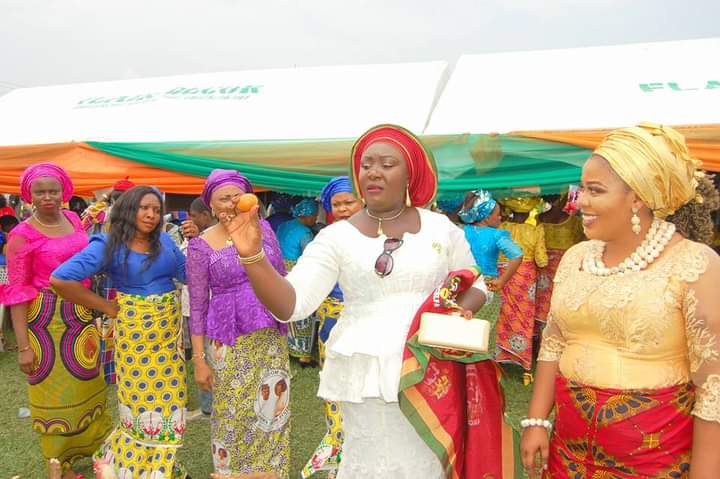
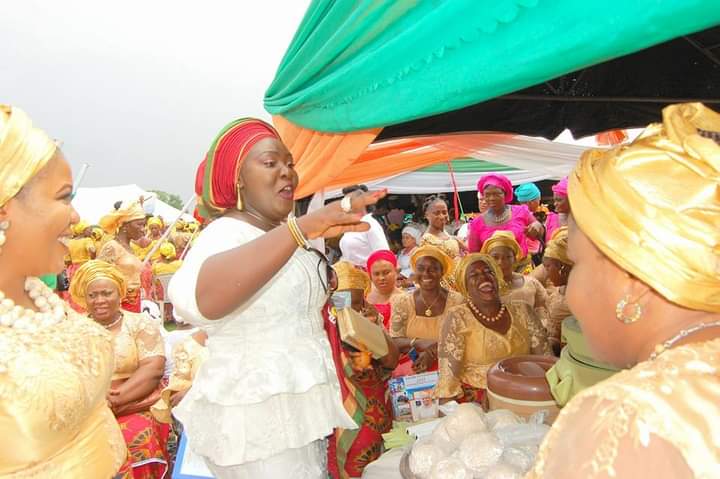
WAELE AFRICA Foundation

Wow this is very Impressive keep it up ma'am you are blessed We thank the Founder President for this very great opportunity given to us
Reply
1 Comments