Broken Promises: How Systemic Male Dominance Fuels Human Rights Violations Against Women in Africa
March 29, 2025
Broken Promises: How Systemic Male Dominance Fuels Human Rights Violations Against Women in Africa
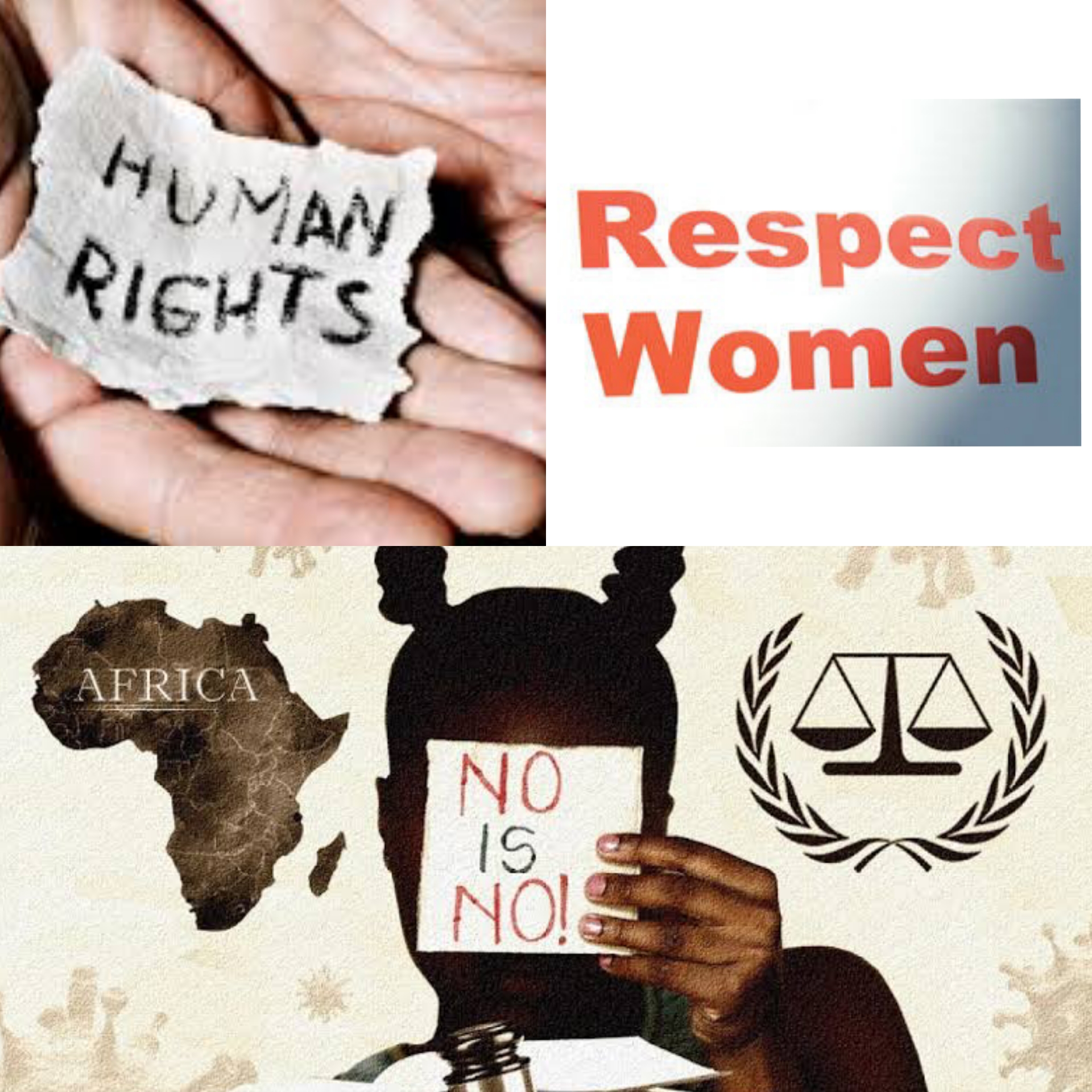
Africa, a continent rich in diverse cultures and traditions, faces a stark reality: widespread human rights violations against women, often rooted in deeply entrenched patriarchal structures. While progress has been made in certain areas, the persistent dominance of men across sectors – political, economic, social, and even familial – actively undermines efforts to achieve gender equality and fuels the perpetuation of these abuses. This isn't simply a matter of individual bad actors; it's a systemic issue requiring a multi-faceted approach to address.
The Systemic Nature of the Problem:
The violation of women's human rights in Africa manifests in numerous ways, including:
* Gender-Based Violence (GBV): From domestic violence and sexual assault to female genital mutilation (FGM) and harmful traditional practices, GBV remains alarmingly prevalent. The pervasive normalization of male dominance contributes to a culture of impunity, where perpetrators often escape accountability. Weak law enforcement, coupled with societal biases that often blame victims, further exacerbates the problem. The lack of accessible and supportive services for survivors also contributes to the cycle of violence.
* Economic Inequality: Women's economic empowerment is severely hampered by unequal access to land ownership, credit, and education. Male dominance in business and political spheres limits women's opportunities for leadership roles and high-paying jobs. This economic vulnerability leaves women more susceptible to exploitation and abuse. The lack of economic independence also restricts their ability to leave abusive relationships or challenge oppressive norms.
* Political Underrepresentation: The underrepresentation of women in political decision-making processes limits their influence on policies and laws designed to protect their rights. Male-dominated political systems often fail to prioritize women's issues, perpetuating a cycle of marginalization. This lack of representation also means women's voices and perspectives are excluded from shaping legislation and policies that directly impact their lives.
* Limited Access to Healthcare and Education: Discriminatory practices deny women access to essential healthcare services, including reproductive health care, maternal care, and HIV/AIDS prevention and treatment. Similarly, limited access to quality education restricts women's opportunities for personal and professional growth, perpetuating cycles of poverty and vulnerability. This disparity is often linked to societal norms that prioritize boys' education over girls'.
The Role of Male Dominance:
The dominance of men in every sector creates a fertile ground for these violations. This isn't solely about individual men being malicious; it's about the power dynamics embedded within societal structures. These structures often:
* Reinforce harmful stereotypes: Traditional gender roles often portray women as subordinate to men, reinforcing the idea that violence against women is acceptable or even expected. * Limit women's agency: By controlling access to resources and opportunities, male dominance restricts women's ability to make choices about their own lives and bodies. * Create a culture of impunity: When men hold positions of power, they are less likely to be held accountable for their actions, perpetuating a culture where violence against women is normalized.
Moving Forward:
Addressing these violations requires a multi-pronged approach that directly challenges male dominance. This includes:
* Strengthening legal frameworks: Enacting and enforcing laws that protect women's rights and hold perpetrators accountable is crucial. * Promoting women's economic empowerment: Investing in women's education, entrepreneurship, and access to resources is vital for breaking cycles of poverty and vulnerability. * Increasing women's political participation: Promoting women's leadership and representation in political decision-making processes is essential for ensuring their voices are heard and their rights are prioritized. * Challenging harmful cultural norms and practices: Through education and awareness campaigns, societies can challenge deeply entrenched patriarchal norms and attitudes that contribute to violence against women. The broken promises of human rights for women in Africa are a consequence of systemic male dominance. Addressing this requires a fundamental shift in power dynamics, a commitment to gender equality, and a concerted effort from governments, civil society organizations, and individuals to create a more just and equitable society for all.


0 Comments