Breathing Life Back into Communities: Women's Role in Combating Tuberculosis on World TB Day
March 24, 2025
Breathing Life Back into Communities: Women's Role in Combating Tuberculosis on World TB Day
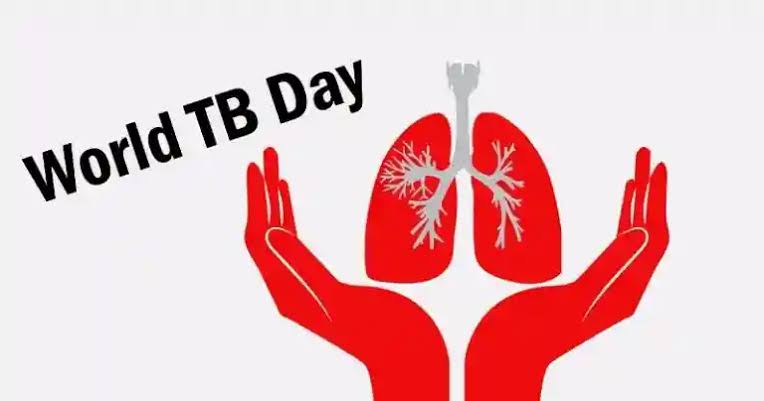
March 24th marks World Tuberculosis Day, a stark reminder of the devastating impact of TB – a disease that continues to claim lives and cripple communities worldwide. While the discovery of the TB bacterium by Dr. Robert Koch in 1882 paved the way for diagnosis and treatment, the fight against this ancient foe is far from over. This year, let's focus on the crucial role women play, not only as victims of TB, but also as vital agents of change in combating this epidemic.
TB disproportionately affects women, often exacerbated by societal factors like poverty, malnutrition, lack of access to healthcare, and gender-based violence. Pregnant women and those with HIV are particularly vulnerable. This makes women a crucial focus in any effective TB control strategy. Their involvement is not just about receiving treatment; it's about leading the charge towards a TB-free future.
Here's how women can contribute significantly to their communities in the fight against TB:
1. Advocacy and Awareness: Women are powerful advocates. They can champion improved healthcare access, especially in underserved communities, by:
Raising awareness: Educating family and friends about TB symptoms, prevention, and the importance of seeking early treatment. This includes dispelling harmful myths and misconceptions surrounding the disease.
Community mobilization: Organizing workshops, support groups, and outreach programs to reach marginalized populations and encourage testing and treatment.
Policy engagement: Advocating for better healthcare policies that address the specific needs of women affected by TB, including provisions for childcare, nutritional support, and financial assistance.
2. Healthcare and Support: Women are often the primary caregivers in their families. This role makes them uniquely positioned to:
Ensure treatment adherence: Supporting family members undergoing TB treatment, helping them manage medication regimens, and addressing any challenges they face. This consistent support is critical to successful treatment outcomes.
Promoting preventative measures: Encouraging healthy lifestyles, including good nutrition, proper hygiene, and vaccinations, within their families and communities.
Seeking early diagnosis: Recognizing symptoms in themselves and their loved ones and promptly seeking medical attention. Early detection significantly improves treatment success rates.
3. Economic Empowerment: TB can have crippling economic consequences for families. Empowering women economically can strengthen their resilience to the disease:
Promoting income-generating activities: Enabling women to earn a livelihood reduces their vulnerability to TB and improves their access to healthcare.
Financial literacy programs: Providing women with financial management skills allows them to better cope with the costs associated with TB treatment.
4. Research and Innovation: Women are increasingly involved in healthcare research. Their participation is crucial for:
Developing gender-sensitive interventions: Researching the specific needs and challenges women face in accessing and adhering to TB treatment.
* **Developing culturally appropriate approaches:** Tailoring TB prevention and treatment programs to the specific cultural contexts of women in diverse communities.
World TB Day is not just about remembering a scientific breakthrough; it's a call to action. By harnessing the power, resilience, and influence of women, we can create healthier, stronger communities free from the devastating burden of tuberculosis. Let us empower women to be not just survivors, but leaders in the fight against this preventable and curable disease.


0 Comments