African Women and the Sustainable Development Challenge
February 22, 2025
African Women and the Sustainable Development Challenge
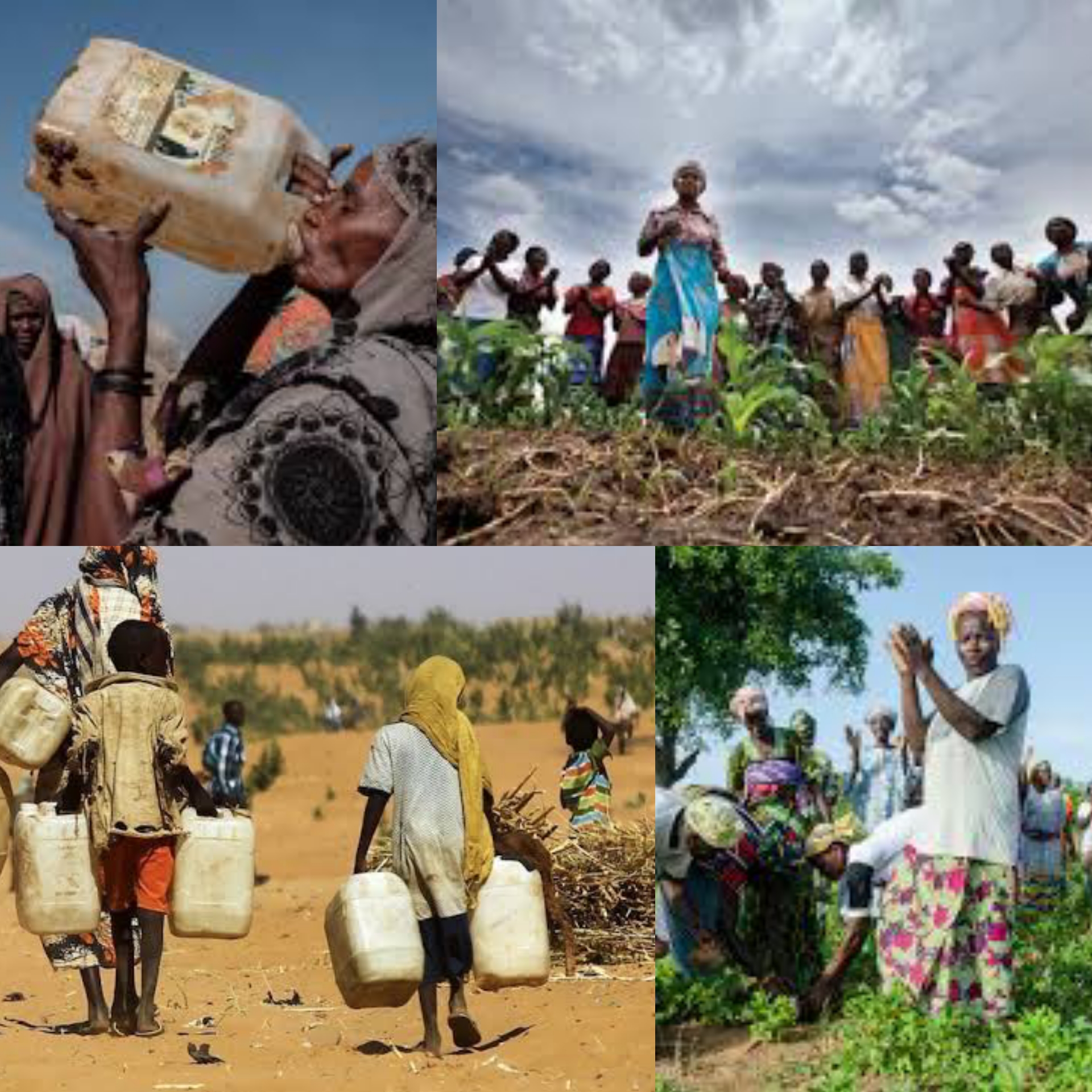
World Day of Social Justice, observed two days ago, underscores the urgent need for a just transition towards a sustainable future. This transition, as outlined in the ILO's declaration, requires more than simply decarbonizing economies; it demands a holistic approach that prioritizes the needs of marginalized communities. This is particularly pertinent for African women, who often bear the brunt of economic hardship and social inequalities within diverse communities across the continent.
The article highlights the importance of integrating "just transition" principles into global and national policies. For African women, this translates into:
* **Targeted Skills Development:** The decline of fossil fuel industries, which could impact livelihoods in some African communities, must be countered by green skills training programs specifically designed for women. This includes not only renewable energy but also agricultural and other related green technologies that are relevant to various communities. Such initiatives should be culturally sensitive and take into consideration the existing knowledge and skills of women in diverse African contexts.
* **Comprehensive Social Protection:** Existing social safety nets need strengthening to ensure that women in vulnerable situations are not disproportionately affected by economic transitions. This includes access to healthcare, education, and financial resources. In specific communities, this may mean providing access to microloans, support networks for single mothers, and childcare facilities to enable women to participate in the workforce or pursue training opportunities.
* **Community-Led Economic Diversification:** Empowering women to participate in community-driven economic initiatives is crucial. This could involve supporting women-owned businesses, promoting agricultural practices that are both sustainable and profitable, and connecting communities to markets through e-commerce or other platforms. Recognizing the varying social and cultural factors in diverse communities is key to making these initiatives truly effective and relevant to the specifics of particular groups.
The ILO's report on global employment trends further emphasizes the need for targeted interventions. High youth unemployment and informal work, especially affecting developing countries, disproportionately impacts young African women who are often denied opportunities for decent work. The article emphasizes that building sustainable enterprises is essential for creating employment and income opportunities for all, and particularly women, in Africa.
The just transition isn't just about mitigating environmental damage; it's about fostering equality, opportunity, and prosperity across all communities. For African women, this means ensuring that the benefits of a sustainable future are not just theoretical but are tangible in their daily lives. By addressing the specific challenges and needs of women within the diverse contexts of African communities, policymakers and organizations can build a more just and sustainable future for all.


0 Comments